Category: joint replacement

  • Hip Replacement Surgery in Rajasthan: A Patient Guide

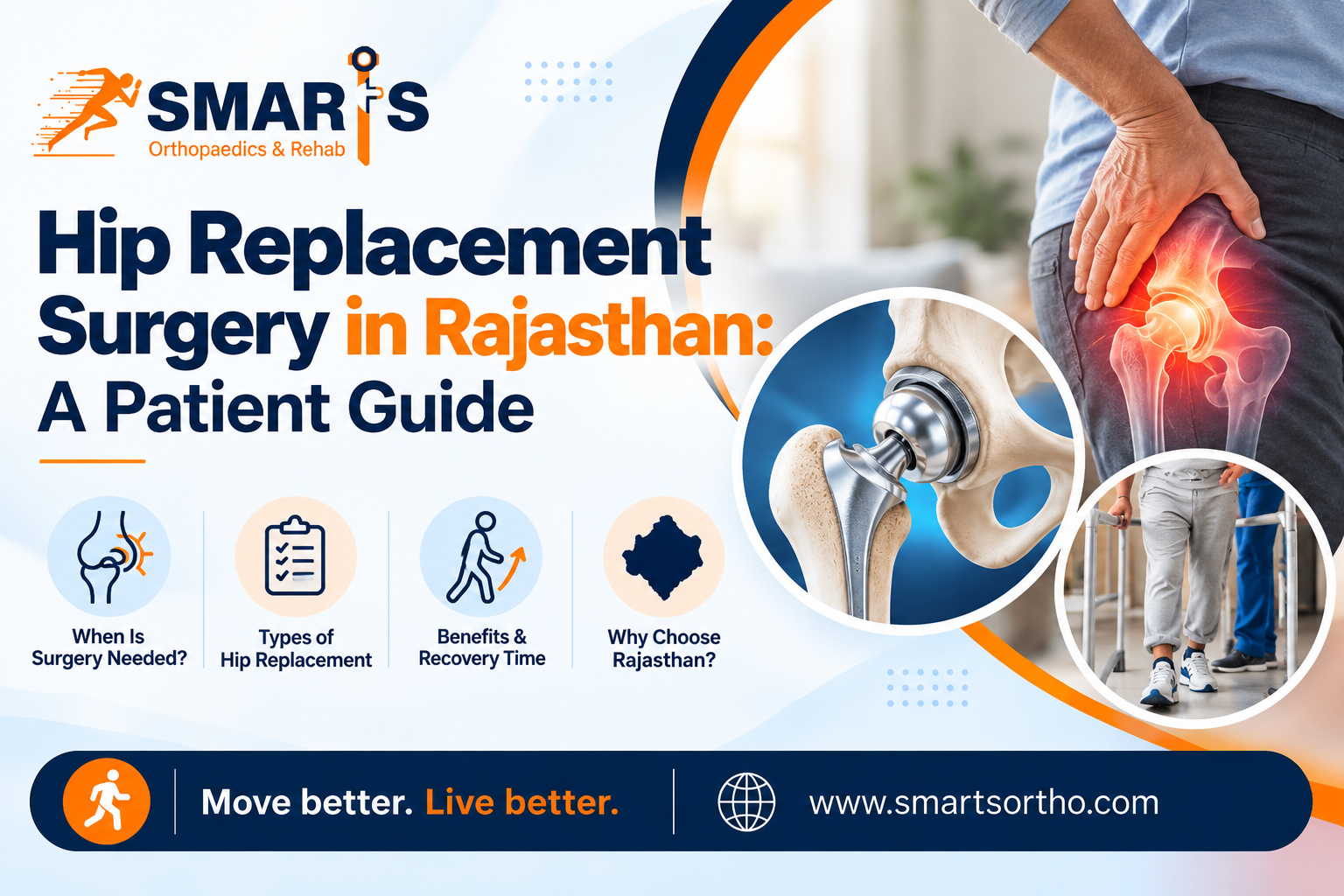
    Hip Replacement Surgery in Rajasthan: A Patient Guide

    Hip pain can make even simple activities difficult. Walking to the market, climbing stairs, getting out of a chair, or sleeping comfortably may become challenging when the hip joint is damaged. While medicines and physiotherapy can help many people, persistent pain sometimes requires a different approach.

    Hip Replacement Surgery in Rajasthan is a treatment option for patients with severe hip joint damage that significantly affects their mobility and everyday activities. However, surgery is not necessary for everyone experiencing hip pain.

    Understanding when hip replacement is recommended, how the procedure works, its possible risks, and what recovery involves can help patients make informed decisions about their treatment.

    What Is Hip Replacement Surgery?

    Hip replacement surgery is a procedure in which damaged parts of the hip joint are replaced with artificial components made from materials such as metal, ceramic, and medical-grade plastic.

    The hip is a ball-and-socket joint. The ball sits at the top of the thigh bone, while the socket forms part of the pelvis. Smooth cartilage allows these surfaces to move comfortably.

    When cartilage becomes severely damaged, movement can become painful and restricted.

    The hip replacement procedure replaces damaged joint surfaces to help reduce pain and improve movement. The type of implant and surgical approach depend on the patient’s condition, bone health, and medical assessment.

    When Is Hip Replacement Surgery Needed?

    Not every patient with hip pain requires surgery. Doctors usually consider non-surgical treatments before recommending joint replacement, particularly for arthritis-related pain.

    These may include medicines, physiotherapy, suitable exercises, walking aids, and lifestyle modifications.

    Hip replacement may be considered when:

    • Severe arthritis: Advanced osteoarthritis or inflammatory arthritis causes significant joint damage.
    • Persistent hip pain: Pain continues despite appropriate non-surgical treatment.
    • Difficulty walking: Everyday activities become increasingly uncomfortable or restricted.
    • Joint stiffness: Limited hip movement affects bending, sitting, or getting dressed.
    • Bone damage: Conditions such as avascular necrosis cause serious damage to the hip joint.

    The decision to undergo hip replacement treatment depends on symptoms, examination findings, overall health, and how much the condition affects daily life. Consulting the best hip replacement specialist in Jaipur can help patients understand their treatment options, assess the extent of joint damage, and determine whether hip replacement surgery is appropriate for their condition.

    Types of Hip Replacement Surgery

    Different surgical procedures are used depending on the part of the joint that requires replacement.

    1. Total Hip Replacement

    In total hip replacement, both the damaged ball of the thigh bone and the socket surface are replaced with artificial components.

    This procedure is commonly considered for advanced hip arthritis and other conditions involving extensive joint damage.

    2. Partial Hip Replacement

    Partial hip replacement usually involves replacing the ball of the thigh bone while preserving the natural socket.

    It is most commonly used for certain hip fractures, particularly in older adults, rather than routine treatment of advanced arthritis.

    Your orthopaedic surgeon will recommend the appropriate procedure based on the underlying condition and medical findings.

    Benefits of Hip Replacement Surgery

    For appropriately selected patients, hip replacement can provide meaningful improvements in comfort and movement.

    Potential Benefits

    • Reduced pain caused by damaged joint surfaces
    • Improved hip movement and walking ability
    • Greater independence in everyday activities
    • Improved comfort during routine physical activities
    • Better quality of life for many patients

    Hip Replacement Recovery: What Should Patients Expect?

    Hip replacement recovery is a gradual process that requires rehabilitation and regular follow-up.

    Many patients begin standing or walking with assistance shortly after surgery, depending on their medical condition and the surgeon’s instructions.

    Early Recovery

    During the first few weeks, patients may use a walker or crutches while improving their walking ability.

    Physiotherapy helps strengthen muscles, improve balance, and restore safe movement.

    Returning to Daily Activities

    Many patients gradually resume routine activities within several weeks. However, complete recovery and improvement in strength may take several months.

    Recovery depends on age, physical fitness, existing medical conditions, surgical approach, and rehabilitation progress.

    Important Recovery Precautions

    • Follow prescribed physiotherapy exercises.
    • Take medicines as directed.
    • Keep the surgical wound clean and dry according to medical advice.
    • Use walking aids until advised otherwise.
    • Follow any movement restrictions recommended by the surgeon.
    • Attend scheduled follow-up appointments.

    Sudden breathlessness, chest pain, fever, increasing wound discharge, or severe leg swelling requires urgent medical assessment.

    Hip Replacement Surgery Cost in Rajasthan

    The hip replacement surgery cost in Rajasthan varies depending on the hospital, implant selection, patient’s medical needs, and treatment requirements.

    Several factors influence the overall expense:

    • Type of surgery: Total and partial hip replacement may involve different costs.
    • Implant selection: Implant materials, design, and manufacturer can affect pricing.
    • Hospital facilities: Operating theatre facilities and room categories influence hospital charges.
    • Medical investigations: Blood tests, imaging, and pre-operative assessments add to the overall cost.
    • Hospital stay: Length of admission and additional medical care may affect expenses.
    • Rehabilitation: Physiotherapy, follow-up visits, and recovery-related requirements should also be considered.

    Patients should request an itemised estimate that explains what is included and excluded.

    It is also useful to check applicable health insurance coverage, cashless treatment eligibility, and possible additional expenses before admission.

    How to Choose the Right Orthopaedic Specialist

    Choosing a surgeon is an important part of planning hip replacement surgery.

    When searching for the Best Orthopedic Doctor, focus on relevant qualifications, experience in hip replacement procedures, and a clear approach to patient care.

    Consider the following:

    • Experience in treating hip arthritis and complex joint conditions
    • Ability to explain surgical and non-surgical treatment options
    • Discussion of risks, implant choices, and expected outcomes
    • A clear recovery and rehabilitation plan
    • Availability of appropriate follow-up care

    An orthopaedic specialist in Jaipur should assess your medical condition thoroughly and explain whether surgery is appropriate.

    Patients should feel comfortable asking questions and understanding the recommended treatment before making a decision.

    Why Consult SmartOrtho for Hip Pain Evaluation?

    Hip pain may result from arthritis, fractures, soft tissue injuries, or other conditions. Identifying the cause is essential before choosing treatment.

    SmartOrtho provides orthopaedic care in Jaipur, including evaluation of hip-related conditions and joint replacement services.

    Its hip pain treatment services cover the assessment of hip pain, diagnostic investigations, non-surgical management options, and surgical treatment when appropriate.

    Conclusion

    Hip Replacement Surgery in Rajasthan may help patients with severe hip joint damage regain mobility and reduce persistent pain. However, choosing the right treatment requires an accurate diagnosis, careful surgical planning, and realistic recovery expectations.

    If hip pain is affecting your daily activities, a professional orthopaedic evaluation can help identify suitable treatment options.

    At Smarts Ortho, patients can seek guidance about hip conditions, available treatments, and whether joint replacement should be considered. Timely assessment is an important first step towards managing hip pain effectively.

    Frequently Asked Questions (FAQs)

    1. When should someone consider hip replacement surgery?

    Hip replacement may be considered when severe joint damage causes persistent pain, stiffness, or difficulty walking despite appropriate non-surgical treatments. An orthopaedic specialist can assess your symptoms, imaging results, and overall health before recommending surgery.

    2. How long does hip replacement recovery take?

    Many patients gradually return to daily activities within several weeks, while fuller recovery may take several months. Recovery time depends on age, overall health, physical fitness, and rehabilitation progress. Following medical advice and physiotherapy instructions is important.

    3. What factors affect hip replacement surgery cost in Rajasthan?

    The cost depends on the type of procedure, implant selection, hospital facilities, medical investigations, length of stay, and rehabilitation needs. Patients should request a detailed estimate and check their insurance coverage before scheduling surgery.

    4. How can I choose the right orthopaedic specialist for hip replacement?

    Look for a qualified orthopaedic surgeon with relevant hip replacement experience. Consider their approach to diagnosis, explanation of treatment options, discussion of risks, rehabilitation planning, and follow-up care. A thorough consultation can help you make an informed decision.

    Medical Disclaimer

    This blog is intended for general educational purposes only and does not replace professional medical advice, diagnosis, or treatment. Hip replacement suitability, surgical risks, recovery time, and treatment outcomes vary between individuals. Always consult a qualified orthopaedic specialist for personalised medical evaluation and recommendations.

    To Know More: https://smartsortho.com/ 
  • Joint Replacement in Jaipur: Types, Benefits & Recovery Time

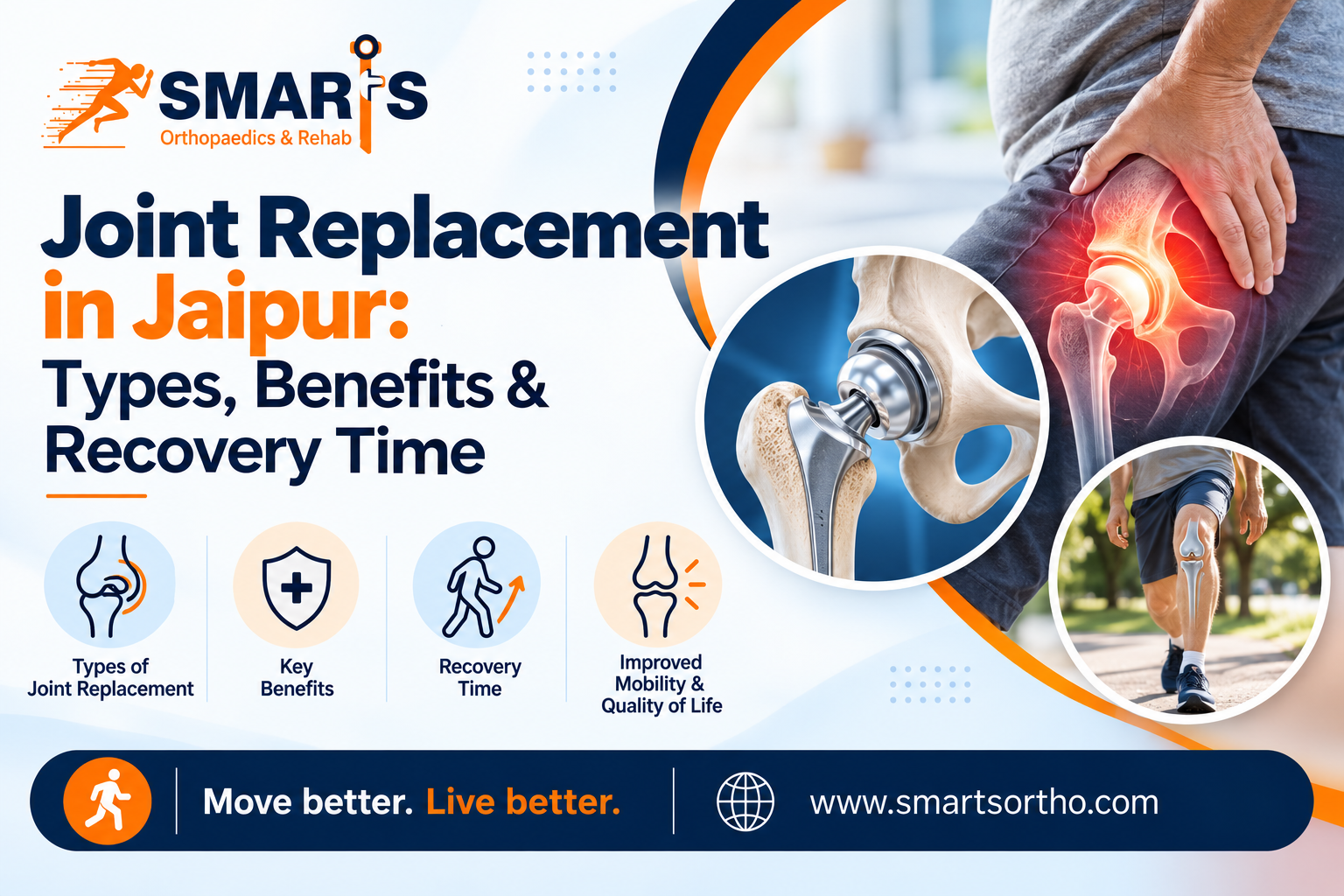
    Joint Replacement in Jaipur: Types, Benefits & Recovery Time

    Joint pain can slowly begin to affect everyday life. Walking to the market, climbing stairs, getting out of a chair, or sleeping comfortably may become difficult when the knee, hip, or another joint is severely damaged. While many joint problems can be managed with non-surgical treatment, some people continue to experience significant pain and restricted movement despite appropriate care.

    For patients considering Joint Replacement in Jaipur, understanding the available procedures, possible benefits, risks, and recovery process is important. Joint replacement surgery may help improve mobility and reduce pain in appropriately selected patients. However, not everyone with joint pain needs surgery. A qualified orthopaedic specialist can evaluate the condition and recommend suitable treatment based on individual needs.

    What Is Joint Replacement Surgery?

    Joint replacement surgery, also called arthroplasty, is a procedure in which damaged parts of a joint are removed and replaced with artificial components.

    These components, known as implants or prostheses, may be made from metal, medical-grade plastic, ceramic, or a combination of materials, depending on the joint and procedure.

    The purpose is to improve joint function and reduce pain caused by significant joint damage.

    Joint replacement is most commonly performed on the knee and hip, although shoulder and certain other joints can also be replaced when medically indicated.

    A doctor generally considers surgery when joint damage significantly affects daily life and suitable non-surgical treatments have not provided adequate relief.

    When Is Joint Replacement Surgery Needed?

    Joint replacement is not the first treatment for every painful joint. Many patients benefit from physiotherapy, activity modification, weight management when appropriate, supportive devices, and doctor-advised medicines.

    However, certain conditions can cause progressive joint damage.

    Common reasons for considering joint replacement include:

    • Osteoarthritis: Gradual breakdown of joint cartilage that can cause pain, stiffness, and difficulty moving.
    • Rheumatoid Arthritis: An inflammatory condition that may damage joints over time.
    • Avascular Necrosis: Reduced blood supply to a bone, sometimes causing collapse of the joint surface, particularly in the hip.
    • Severe Joint Injuries: Certain fractures or injuries that cause extensive damage to the joint.
    • Advanced Joint Deformity: Significant changes in joint alignment associated with pain and reduced function.
    • Persistent Joint Pain: Severe symptoms that continue despite appropriate non-surgical management.

    A person may experience pain while walking, difficulty standing for long periods, disturbed sleep, or reduced independence in everyday activities.

    These symptoms deserve medical assessment, but they do not automatically mean surgery is required.

    Types of Joint Replacement Surgery

    The appropriate type of joint replacement depends on the affected joint, extent of damage, bone quality, overall health, and individual functional requirements.

    1. Total Knee Replacement

    Total knee replacement is commonly considered for advanced knee arthritis when multiple areas of the joint are significantly damaged.

    During the procedure, the surgeon removes damaged surfaces of the thigh bone and shin bone and replaces them with specially designed artificial components.

    The procedure aims to reduce pain and improve knee function.

    Patients may consider knee replacement when walking, climbing stairs, or performing regular activities becomes increasingly difficult despite appropriate treatment.

    2. Partial Knee Replacement

    Partial knee replacement may be an option when damage is limited to a particular compartment of the knee and other important joint structures meet specific clinical requirements.

    Only the affected compartment is replaced, preserving the remaining suitable parts of the joint.

    Because the procedure is more limited, some patients may experience a shorter initial recovery compared with total knee replacement.

    However, partial replacement is not suitable for every patient. The choice depends on examination findings, imaging, ligament stability, and the pattern of arthritis.

    3. Total Hip Replacement

    Hip replacement surgery involves replacing the damaged ball and socket surfaces of the hip joint with artificial components.

    It may be considered for advanced hip arthritis, certain cases of avascular necrosis, or other conditions causing severe hip pain and restricted movement.

    Patients with hip problems may experience discomfort in the groin, thigh, or buttock, along with difficulty walking, bending, or getting dressed.

    A successful recovery requires appropriate rehabilitation and adherence to the surgeon’s advice.

    4. Partial Hip Replacement

    Partial hip replacement involves replacing the ball portion of the hip joint while retaining the natural socket.

    This procedure is commonly used for selected hip fractures, particularly when the fracture affects the femoral neck.

    It is not generally the same treatment choice as total hip replacement for advanced osteoarthritis.

    The decision between partial and total replacement depends on the patient’s condition, level of activity, existing joint damage, and clinical assessment.

    5. Shoulder Replacement

    Shoulder replacement may be considered when advanced arthritis, certain fractures, or complex shoulder conditions cause significant pain and loss of movement.

    Depending on the condition, a surgeon may recommend an anatomical or reverse shoulder replacement.

    These procedures are designed for different patterns of joint and tendon damage.

    A detailed shoulder examination and appropriate imaging help determine whether replacement is necessary and which procedure may be suitable.

    Benefits of Joint Replacement Surgery

    Joint replacement surgery aims to improve comfort and function in patients whose joints have become significantly damaged.

    Potential benefits include:

    1. Reduction in Joint Pain

    Replacing damaged joint surfaces may reduce pain associated with advanced arthritis or other joint conditions.

    2. Improved Mobility

    Some patients find it easier to walk, stand, bend, or perform everyday movements after recovery.

    3. Better Daily Function

    Activities such as climbing stairs, getting out of a chair, shopping, and completing household tasks may become more manageable.

    4. Improved Sleep and Comfort

    When joint pain decreases, patients may experience improved comfort during rest and sleep.

    5. Greater Independence

    Improved mobility may help patients participate more comfortably in daily activities and maintain independence.

    However, results vary. Some patients may continue to experience pain, stiffness, or movement limitations after surgery.

    Implants can also wear out or loosen over time, and some patients may require additional surgery in the future.

    How Do Doctors Decide Which Joint Replacement Is Suitable?

    Choosing the correct procedure requires more than identifying the location of pain.

    A Joint Pain Specialist in Jaipur may begin by reviewing symptoms, medical history, previous treatments, and the patient’s ability to perform everyday activities.

    The evaluation usually includes:

    • Physical examination to assess joint movement, tenderness, alignment, and stability.
    • X-rays to evaluate bone changes and the extent of joint damage.
    • Additional imaging when required for specific clinical questions.
    • Assessment of medical conditions such as diabetes, heart disease, or other health concerns.
    • Discussion of treatment expectations, lifestyle, and rehabilitation needs.

    A qualified orthopaedic surgeon should explain whether surgery is appropriate, which procedure may be considered, and the potential risks and alternatives.

    Choosing the Right Orthopaedic Care in Jaipur

    When researching Joint Replacement in Jaipur, patients should focus on finding a qualified orthopaedic surgeon who can provide an accurate diagnosis and explain the available treatment options.

    Important factors include relevant qualification

    • Practising activities such as sitting, standing, and using stairs.

    Exercises should be performed according to the recommended rehabilitation plan.

    Overexertion, skipping prescribed exercises, or returning to demanding activities before medical clearance may affect recovery.

    Frequently Asked Questions

    1. Is joint replacement surgery necessary for every patient with arthritis?

    No. Many patients with arthritis can manage symptoms through non-surgical treatment. Joint replacement may be considered when joint damage and persistent symptoms significantly affect daily activities despite appropriate care.

    2. How long does recovery after joint replacement take?

    Recovery depends on the joint replaced, procedure, age, health, and rehabilitation progress. Many patients gradually resume routine activities within weeks, but more complete recovery may take several months or longer.

    3. Can I walk after knee or hip replacement surgery?

    Many patients begin walking with assistance soon after surgery when medically appropriate. A physiotherapist and surgeon will advise how much weight can safely be placed on the operated leg.

    4. How long does an artificial joint last?

    Modern joint implants may function for many years, but their lifespan varies. Factors such as implant type, activity level, body weight, bone condition, and possible complications can affect durability.

    5. Can joint pain be treated without replacement surgery?

    Yes. Depending on the diagnosis, Joint Pain Treatment in Jaipur may involve physiotherapy, activity modification, appropriate medicines, supportive devices, or other non-surgical approaches. An orthopaedic assessment helps determine suitable options.

    Conclusion

    Joint replacement surgery may help people with advanced joint damage manage pain and improve everyday function. Different procedures, including total knee replacement, partial knee replacement, hip replacement, and shoulder replacement, are used for different medical conditions.

    Understanding the benefits, possible complications, and expected recovery time helps patients make informed decisions. Equally important is recognising that surgery is not always the first or most appropriate option.

    If persistent joint pain or stiffness is affecting your quality of life, exploring Joint Replacement in Jaipur with a qualified orthopaedic professional may help you understand your treatment choices.

    Consider consulting Smart Ortho, Jaipur, for an individualised evaluation and guidance based on your specific joint condition.

    Medical Disclaimer: This blog is for informational purposes only and does not replace professional medical advice, diagnosis, or treatment. Treatment or medicines should not be started, stopped, or changed without consulting a qualified doctor or obtaining a prescription where required. Individual treatment decisions should be made after an appropriate medical evaluation.

    Read More: https://smartsortho.com/