Category: Orthopaedics

  • Joint Replacement in Jaipur: Types, Benefits & Recovery Time

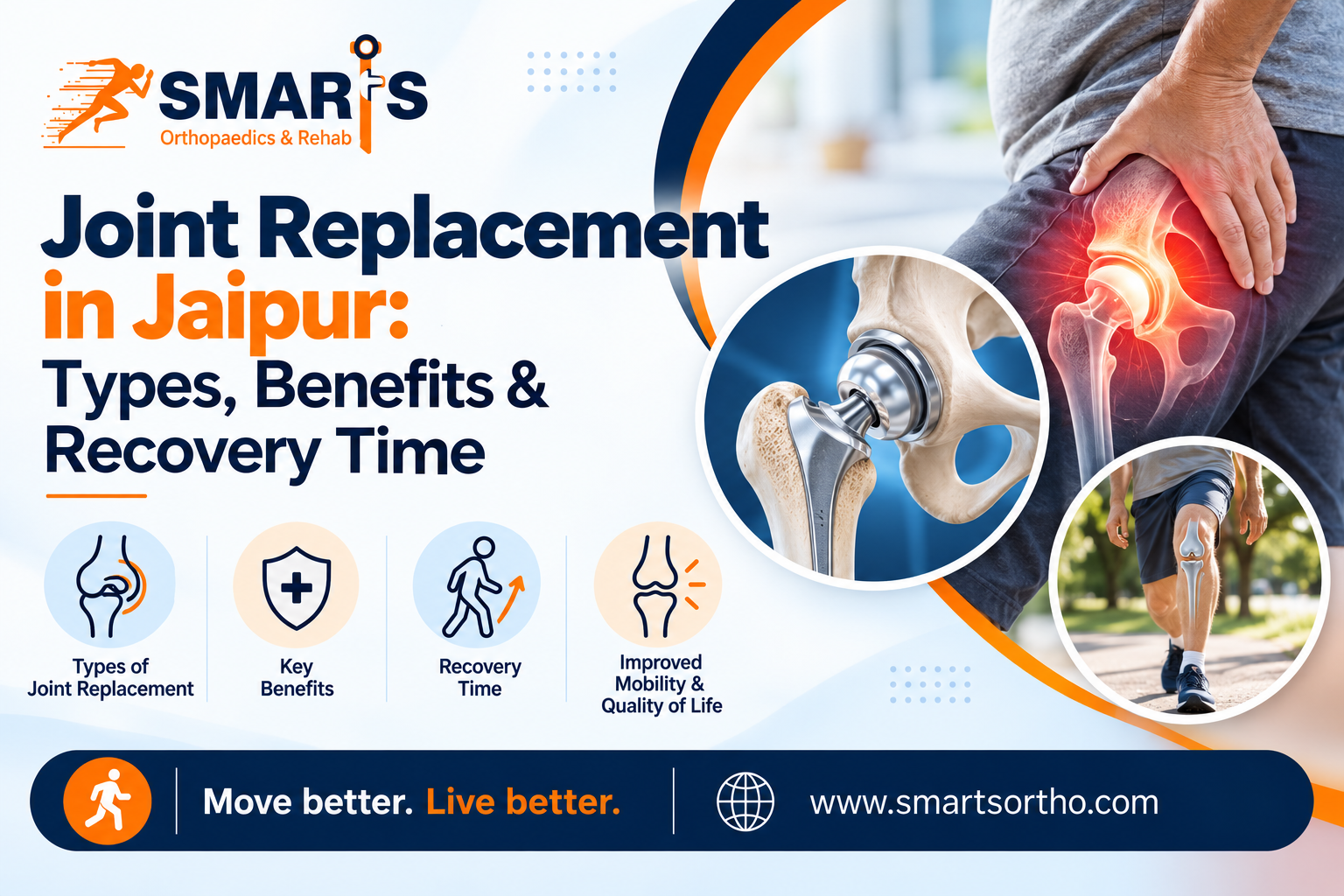
    Joint Replacement in Jaipur: Types, Benefits & Recovery Time

    Joint pain can slowly begin to affect everyday life. Walking to the market, climbing stairs, getting out of a chair, or sleeping comfortably may become difficult when the knee, hip, or another joint is severely damaged. While many joint problems can be managed with non-surgical treatment, some people continue to experience significant pain and restricted movement despite appropriate care.

    For patients considering Joint Replacement in Jaipur, understanding the available procedures, possible benefits, risks, and recovery process is important. Joint replacement surgery may help improve mobility and reduce pain in appropriately selected patients. However, not everyone with joint pain needs surgery. A qualified orthopaedic specialist can evaluate the condition and recommend suitable treatment based on individual needs.

    What Is Joint Replacement Surgery?

    Joint replacement surgery, also called arthroplasty, is a procedure in which damaged parts of a joint are removed and replaced with artificial components.

    These components, known as implants or prostheses, may be made from metal, medical-grade plastic, ceramic, or a combination of materials, depending on the joint and procedure.

    The purpose is to improve joint function and reduce pain caused by significant joint damage.

    Joint replacement is most commonly performed on the knee and hip, although shoulder and certain other joints can also be replaced when medically indicated.

    A doctor generally considers surgery when joint damage significantly affects daily life and suitable non-surgical treatments have not provided adequate relief.

    When Is Joint Replacement Surgery Needed?

    Joint replacement is not the first treatment for every painful joint. Many patients benefit from physiotherapy, activity modification, weight management when appropriate, supportive devices, and doctor-advised medicines.

    However, certain conditions can cause progressive joint damage.

    Common reasons for considering joint replacement include:

    • Osteoarthritis: Gradual breakdown of joint cartilage that can cause pain, stiffness, and difficulty moving.
    • Rheumatoid Arthritis: An inflammatory condition that may damage joints over time.
    • Avascular Necrosis: Reduced blood supply to a bone, sometimes causing collapse of the joint surface, particularly in the hip.
    • Severe Joint Injuries: Certain fractures or injuries that cause extensive damage to the joint.
    • Advanced Joint Deformity: Significant changes in joint alignment associated with pain and reduced function.
    • Persistent Joint Pain: Severe symptoms that continue despite appropriate non-surgical management.

    A person may experience pain while walking, difficulty standing for long periods, disturbed sleep, or reduced independence in everyday activities.

    These symptoms deserve medical assessment, but they do not automatically mean surgery is required.

    Types of Joint Replacement Surgery

    The appropriate type of joint replacement depends on the affected joint, extent of damage, bone quality, overall health, and individual functional requirements.

    1. Total Knee Replacement

    Total knee replacement is commonly considered for advanced knee arthritis when multiple areas of the joint are significantly damaged.

    During the procedure, the surgeon removes damaged surfaces of the thigh bone and shin bone and replaces them with specially designed artificial components.

    The procedure aims to reduce pain and improve knee function.

    Patients may consider knee replacement when walking, climbing stairs, or performing regular activities becomes increasingly difficult despite appropriate treatment.

    2. Partial Knee Replacement

    Partial knee replacement may be an option when damage is limited to a particular compartment of the knee and other important joint structures meet specific clinical requirements.

    Only the affected compartment is replaced, preserving the remaining suitable parts of the joint.

    Because the procedure is more limited, some patients may experience a shorter initial recovery compared with total knee replacement.

    However, partial replacement is not suitable for every patient. The choice depends on examination findings, imaging, ligament stability, and the pattern of arthritis.

    3. Total Hip Replacement

    Hip replacement surgery involves replacing the damaged ball and socket surfaces of the hip joint with artificial components.

    It may be considered for advanced hip arthritis, certain cases of avascular necrosis, or other conditions causing severe hip pain and restricted movement.

    Patients with hip problems may experience discomfort in the groin, thigh, or buttock, along with difficulty walking, bending, or getting dressed.

    A successful recovery requires appropriate rehabilitation and adherence to the surgeon’s advice.

    4. Partial Hip Replacement

    Partial hip replacement involves replacing the ball portion of the hip joint while retaining the natural socket.

    This procedure is commonly used for selected hip fractures, particularly when the fracture affects the femoral neck.

    It is not generally the same treatment choice as total hip replacement for advanced osteoarthritis.

    The decision between partial and total replacement depends on the patient’s condition, level of activity, existing joint damage, and clinical assessment.

    5. Shoulder Replacement

    Shoulder replacement may be considered when advanced arthritis, certain fractures, or complex shoulder conditions cause significant pain and loss of movement.

    Depending on the condition, a surgeon may recommend an anatomical or reverse shoulder replacement.

    These procedures are designed for different patterns of joint and tendon damage.

    A detailed shoulder examination and appropriate imaging help determine whether replacement is necessary and which procedure may be suitable.

    Benefits of Joint Replacement Surgery

    Joint replacement surgery aims to improve comfort and function in patients whose joints have become significantly damaged.

    Potential benefits include:

    1. Reduction in Joint Pain

    Replacing damaged joint surfaces may reduce pain associated with advanced arthritis or other joint conditions.

    2. Improved Mobility

    Some patients find it easier to walk, stand, bend, or perform everyday movements after recovery.

    3. Better Daily Function

    Activities such as climbing stairs, getting out of a chair, shopping, and completing household tasks may become more manageable.

    4. Improved Sleep and Comfort

    When joint pain decreases, patients may experience improved comfort during rest and sleep.

    5. Greater Independence

    Improved mobility may help patients participate more comfortably in daily activities and maintain independence.

    However, results vary. Some patients may continue to experience pain, stiffness, or movement limitations after surgery.

    Implants can also wear out or loosen over time, and some patients may require additional surgery in the future.

    How Do Doctors Decide Which Joint Replacement Is Suitable?

    Choosing the correct procedure requires more than identifying the location of pain.

    A Joint Pain Specialist in Jaipur may begin by reviewing symptoms, medical history, previous treatments, and the patient’s ability to perform everyday activities.

    The evaluation usually includes:

    • Physical examination to assess joint movement, tenderness, alignment, and stability.
    • X-rays to evaluate bone changes and the extent of joint damage.
    • Additional imaging when required for specific clinical questions.
    • Assessment of medical conditions such as diabetes, heart disease, or other health concerns.
    • Discussion of treatment expectations, lifestyle, and rehabilitation needs.

    A qualified orthopaedic surgeon should explain whether surgery is appropriate, which procedure may be considered, and the potential risks and alternatives.

    Choosing the Right Orthopaedic Care in Jaipur

    When researching Joint Replacement in Jaipur, patients should focus on finding a qualified orthopaedic surgeon who can provide an accurate diagnosis and explain the available treatment options.

    Important factors include relevant qualification

    • Practising activities such as sitting, standing, and using stairs.

    Exercises should be performed according to the recommended rehabilitation plan.

    Overexertion, skipping prescribed exercises, or returning to demanding activities before medical clearance may affect recovery.

    Frequently Asked Questions

    1. Is joint replacement surgery necessary for every patient with arthritis?

    No. Many patients with arthritis can manage symptoms through non-surgical treatment. Joint replacement may be considered when joint damage and persistent symptoms significantly affect daily activities despite appropriate care.

    2. How long does recovery after joint replacement take?

    Recovery depends on the joint replaced, procedure, age, health, and rehabilitation progress. Many patients gradually resume routine activities within weeks, but more complete recovery may take several months or longer.

    3. Can I walk after knee or hip replacement surgery?

    Many patients begin walking with assistance soon after surgery when medically appropriate. A physiotherapist and surgeon will advise how much weight can safely be placed on the operated leg.

    4. How long does an artificial joint last?

    Modern joint implants may function for many years, but their lifespan varies. Factors such as implant type, activity level, body weight, bone condition, and possible complications can affect durability.

    5. Can joint pain be treated without replacement surgery?

    Yes. Depending on the diagnosis, Joint Pain Treatment in Jaipur may involve physiotherapy, activity modification, appropriate medicines, supportive devices, or other non-surgical approaches. An orthopaedic assessment helps determine suitable options.

    Conclusion

    Joint replacement surgery may help people with advanced joint damage manage pain and improve everyday function. Different procedures, including total knee replacement, partial knee replacement, hip replacement, and shoulder replacement, are used for different medical conditions.

    Understanding the benefits, possible complications, and expected recovery time helps patients make informed decisions. Equally important is recognising that surgery is not always the first or most appropriate option.

    If persistent joint pain or stiffness is affecting your quality of life, exploring Joint Replacement in Jaipur with a qualified orthopaedic professional may help you understand your treatment choices.

    Consider consulting Smart Ortho, Jaipur, for an individualised evaluation and guidance based on your specific joint condition.

    Medical Disclaimer: This blog is for informational purposes only and does not replace professional medical advice, diagnosis, or treatment. Treatment or medicines should not be started, stopped, or changed without consulting a qualified doctor or obtaining a prescription where required. Individual treatment decisions should be made after an appropriate medical evaluation.

    Read More: https://smartsortho.com/
  • Sports Injury Treatment in Jaipur: Care and Recovery

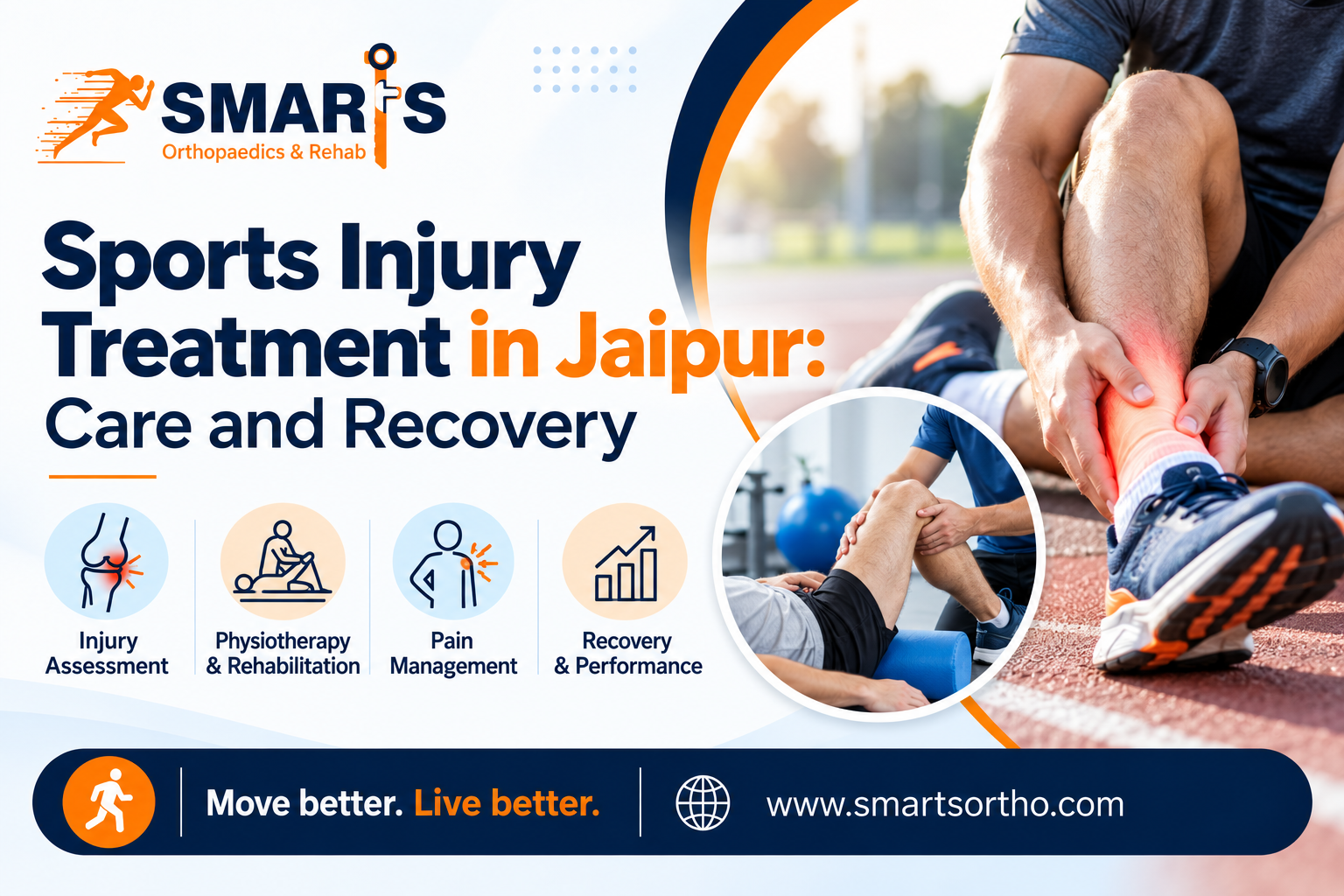
    Sports Injury Treatment in Jaipur: Care and Recovery

    Sports injuries can affect more than athletic performance. A sudden knee injury, shoulder pain, or muscle strain can make everyday activities such as walking, climbing stairs, driving, and working uncomfortable. Whether you play sports professionally, exercise regularly, or enjoy weekend activities, an injury can interrupt your routine. Consulting a Sports Injury Specialist Jaipur can help you understand the injury and identify appropriate treatment options.

    Getting Sports Injury Treatment in Jaipur on time matters. If you wait, some injuries get worse. It can also be risky to go back to sports too early.  A good early check can help. Doctors can confirm what the injury is. Then the right rehab plan can be started. This can speed up healing. It may also lower the chance of getting hurt again.  

    At Smart Ortho in Jaipur, the team looks at each person’s musculoskeletal issue. They review what they see on exam. Then they consider treatment options based on those clinical results. 

    What Are Sports Injuries?

    Sports injuries are injuries affecting the muscles, bones, ligaments, tendons, or joints during exercise, sports participation, or other physical activities. They may develop suddenly after a fall or awkward movement or gradually due to repetitive stress.

    Common types of sports injuries include:

    • Ligament injuries (ACL and MCL): Damage to the anterior cruciate ligament (ACL) or medial collateral ligament (MCL), often associated with sudden twisting, changes in direction, or impact to the knee.
    • Meniscus tears: Injuries to the cartilage that cushions the knee joint, sometimes causing pain, swelling, catching, or locking.
    • Muscle strains: Overstretching or tearing of muscle fibres, commonly affecting the hamstrings, calves, or thighs.
    • Tendon injuries: Irritation, inflammation, or tearing of tendons due to repetitive loading or sudden force.
    • Shoulder injuries: Conditions such as rotator cuff injuries, dislocations, or ligament damage that affect shoulder movement and stability.
    • Fractures: Broken bones resulting from falls, collisions, or direct impact.
    • Sprains: Stretching or tearing of ligaments, frequently affecting the ankle, knee, or wrist.

    The severity of these injuries varies. Some improve with conservative care, while others require specialist assessment and structured rehabilitation.

    How Is a Sports Injury Diagnosed?

    Accurate diagnosis is an important step in planning sports injury treatment. Different injuries may cause similar symptoms, so pain alone does not always identify the affected structure.

    A Sports Injury Specialist Jaipur typically begins with a detailed medical history and physical examination.

    The evaluation may include:

    • Medical history: Understanding how the injury occurred, when symptoms started, previous injuries, and physical activity levels.
    • Physical examination: Assessing tenderness, swelling, joint movement, muscle strength, and stability.
    • X-rays: Used when necessary to identify fractures or evaluate bone and joint alignment.
    • MRI scans: May be recommended to assess soft tissues such as ligaments, tendons, cartilage, and menisci.
    • Ultrasound: May help examine selected muscle and tendon injuries.

    Not every patient requires advanced imaging. The choice of investigation depends on examination findings and the suspected injury.

    Once the injury is identified, the orthopaedic specialist can discuss suitable treatment options based on its severity, the patient’s lifestyle, and functional requirements.

    Sports Injury Treatment in Jaipur: Available Options

    The approach to Sports Injury Treatment Jaipur depends on the type of injury, the structures involved, joint stability, and the patient’s activity goals.

    Treatment does not always involve surgery. Many sports injuries can be managed through non-surgical methods under appropriate medical supervision.

    Non-Surgical Treatment

    Conservative treatment may include:

    • Rest and activity modification: Temporarily reducing movements that place stress on the injured area while maintaining safe activity when advised.
    • Physiotherapy: Guided exercises to improve flexibility, muscle strength, balance, and joint control.
    • Bracing and support: Using appropriate braces or supports when recommended to protect an injured joint.
    • Cold therapy: Applying wrapped cold packs for short periods to help manage discomfort and swelling during the early stages.
    • Progressive rehabilitation: Gradually introducing exercises and functional movements according to recovery progress.

    When May Surgery Be Considered?

    Surgery may be considered for selected injuries, including certain complete ligament tears with instability, displaced meniscus tears, significant tendon ruptures, unstable fractures, or injuries that do not respond adequately to appropriate conservative management.

    In suitable cases, arthroscopic procedures may be considered. Arthroscopy is a minimally invasive surgical technique that allows a surgeon to examine and treat certain joint problems using a small camera and specialised instruments.

    However, surgery is not necessary for every sports injury. The decision should follow a detailed clinical assessment and discussion of potential benefits, risks, and alternatives.

    Recovery and Rehabilitation After a Sports Injury

    Recovery is an essential part of sports injury management. Even when pain begins to improve, the affected muscles, ligaments, or joints may need additional time and rehabilitation before returning to demanding activities.

    Early Recovery

    During the initial recovery phase, treatment generally focuses on protecting injured tissues, managing swelling, and maintaining safe movement.

    Depending on the injury, a doctor may recommend temporary activity restrictions, supportive devices, or supervised physiotherapy.

    As symptoms improve, rehabilitation may gradually introduce mobility exercises, strengthening, and balance training.

    Progress should be based on the healing process and functional improvement rather than pain reduction alone.

    Returning to Sports and Daily Activities

    Returning to sports requires more than feeling comfortable while walking. The injured area should demonstrate sufficient strength, movement, stability, and control for the intended activity.

    Rehabilitation may include sport-specific exercises such as controlled running, jumping, landing, and changes of direction when medically appropriate.

    Recovery timelines vary significantly. A minor muscle strain may improve within weeks, while major ligament injuries or injuries requiring surgery may involve several months of rehabilitation.

    Patients should return to training, work-related physical demands, or competitive sports only according to their treating doctor’s guidance.

    Tips to Prevent Sports Injuries

    Not all sports injuries are preventable. However, adopting appropriate exercise habits may help reduce the likelihood of certain injuries.

    Consider these practical precautions:

    • Warm up properly: Begin activities with light movements and dynamic exercises that prepare the muscles and joints.
    • Build muscle strength: Include exercises that strengthen the muscles supporting the knees, hips, ankles, and shoulders.
    • Use correct technique: Learn appropriate movement, lifting, running, and landing techniques.
    • Choose suitable footwear: Wear shoes appropriate for the activity and playing surface.
    • Increase activity gradually: Avoid sudden increases in training intensity, frequency, or duration.
    • Allow adequate rest: Include recovery days and avoid repeatedly training through persistent pain.
    • Pay attention to symptoms: Reduce activity and seek assessment when pain, swelling, or instability develops.

    People recovering from previous injuries may benefit from an individualised injury-prevention programme developed with a qualified physiotherapist or orthopaedic specialist.

    Choosing the Right Orthopaedic Care in Jaipur

    Finding appropriate orthopaedic care involves more than choosing a clinic based on online reviews or promotional rankings.

    When searching for the Best Orthopedic Doctor Jaipur, patients should focus on relevant qualifications, clinical experience, and the doctor’s approach to diagnosis and treatment.

    Important considerations include:

    • Qualifications and experience: Look for a qualified orthopaedic professional with experience managing relevant sports and musculoskeletal injuries.
    • Diagnostic assessment: Choose care that prioritises medical history, physical examination, and appropriate investigations.
    • Treatment facilities: Understand whether the required investigations, procedures, or referrals can be arranged.
    • Rehabilitation support: Ask about physiotherapy, recovery planning, and return-to-activity guidance.
    • Clear communication: A doctor should explain the diagnosis, available options, potential risks, and realistic recovery expectations.
    • Patient safety: Treatment decisions should consider medical history, individual needs, and recognised clinical practices.

    When evaluating an Orthopedic Clinic Jaipur, patients should prioritise individualised care rather than relying solely on online rankings.

    Smart Ortho, Jaipur, describes an evidence-based, patient-centred approach to musculoskeletal care, including assessment and management of sports injuries, knee problems, and shoulder conditions.

    The suitability of any treatment should be determined through a personal medical consultation.

    Frequently Asked Questions

    1. When should I see a doctor for a sports injury?

    Consult an orthopaedic specialist if pain, swelling, instability, or restricted movement persists or worsens. Severe pain, deformity, or inability to bear weight requires prompt medical attention.

    2. Does every sports injury require surgery?

    No. Many muscle strains, sprains, and selected ligament injuries can be treated without surgery. The appropriate treatment depends on the diagnosis, injury severity, joint stability, and individual activity requirements.

    3. How long does recovery from a sports injury take?

    Recovery depends on the injured tissue, severity, treatment, and rehabilitation progress. Minor injuries may improve within weeks, while complex ligament injuries or surgical cases can require several months.

    4. When can I return to sports after an injury?

    Returning to sports should depend on adequate healing, strength, mobility, balance, and functional control. Your treating doctor or physiotherapist should assess your readiness before you resume demanding activities.

    5. How do I choose the right sports injury specialist in Jaipur?

    Consider the doctor’s orthopaedic qualifications, experience with your injury, diagnostic approach, treatment options, and rehabilitation guidance. Choose a professional who explains the care plan and discusses realistic expectations.

    Conclusion

    Sports injuries can interrupt exercise, professional responsibilities, and everyday movement. Recognising symptoms early, obtaining an accurate diagnosis, and following an appropriate rehabilitation programme are important steps towards recovery.

    Whether an injury involves the knee, shoulder, muscles, or ligaments, treatment should be based on the patient’s individual condition rather than a standard approach for everyone.

    If you are experiencing persistent knee pain, swelling, or movement difficulties, seeking Sports Injury Treatment Jaipur can help you explore appropriate care options.

    Smart Ortho, Jaipur, provides orthopaedic services for musculoskeletal conditions. Consider consulting a qualified orthopaedic professional at the clinic for an evaluation and personalised treatment guidance.

    Medical Disclaimer: This blog is for informational purposes only and does not replace professional medical advice, diagnosis, or treatment. Treatment or medicines should not be started, stopped, or changed without consulting a qualified doctor or obtaining a prescription where required. Individual treatment decisions should be made after an appropriate medical evaluation.

    To know more: https://smartsortho.com/