+91 9460504008 smartsortho@gmail.com

Knee-Pain

Knee pain has become very common over the last few decades. Not just the old generation, but young individuals also face the same problem. This pain can be caused by a variety of reasons, including a deficiency of any nutrient, a damaged knee joint, or an injury.

Knee pain makes it hard to walk or run. Many people feel pain when they stand up or bend their knees. Seeing a doctor can help find out the cause and make the pain better.

  • 20+

    Years Experienced

  • 15000+

    Joints Operated

  • 50,000+

    Ankle Arthroscopy

Overview

What is Knee Pain?

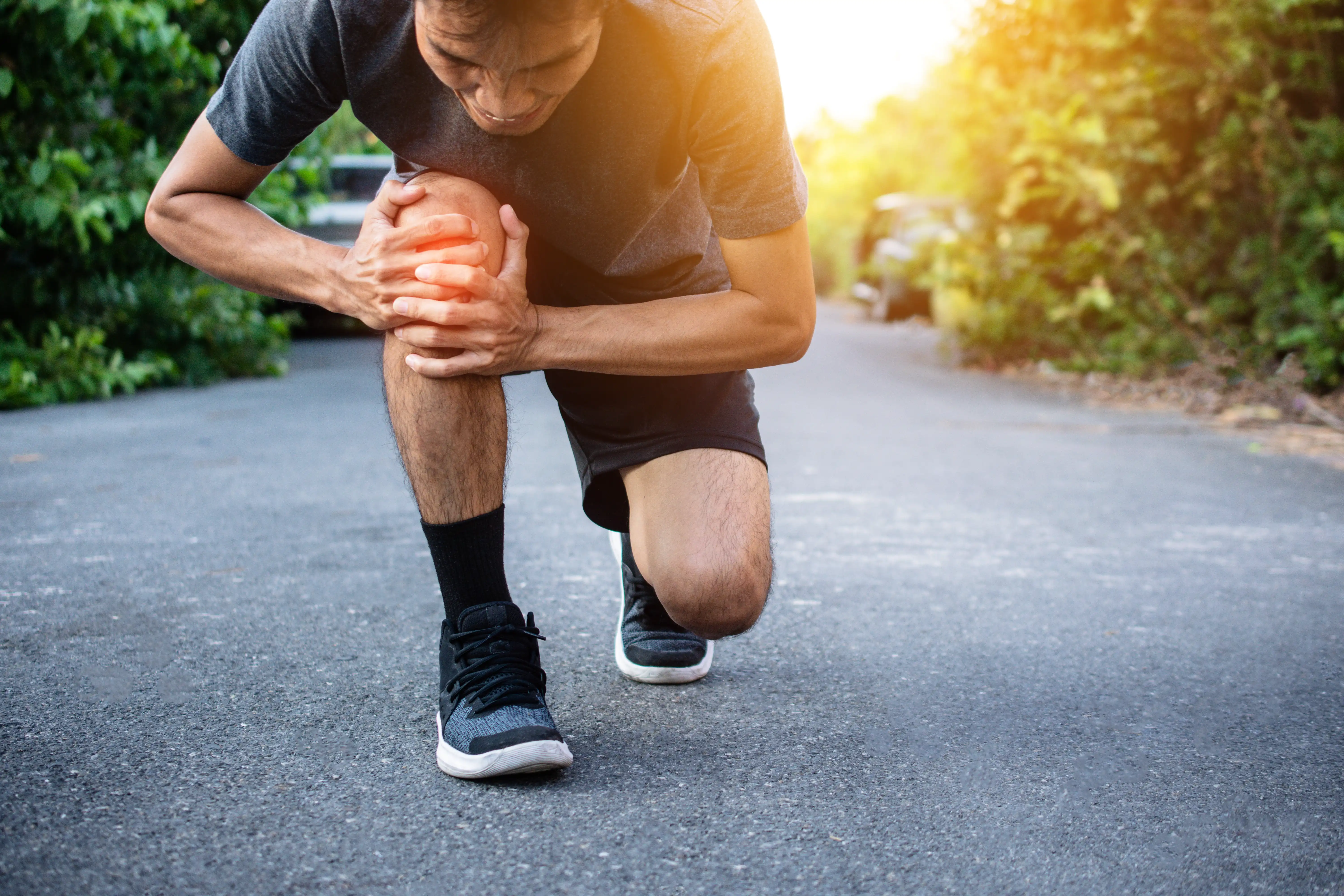
Knee pain is a problem that many people of all ages face. It can happen because of an injury, like a torn ligament or broken cartilage. Some health problems, such as arthritis, gout, or infection, can also cause pain in the knee.

When people get knee pain, it becomes hard to walk, run, or play. Sometimes, bending or straightening the knee hurts worse.
Other Symptoms of Knee Pain

Here are some symptoms of knee pain that should be considered:

  • Swelling of the knee area
  • Stiffness
  • Weakness of the knee
  • Crackling sound from your knee joint
  • Any kind of instability
  • Locking of the knee

What are the Reasons for Knee Pain?

Here are some main knee pain reasons:

  • Injuries like torn ligaments, meniscus tears, or fractures can cause pain.
  • Arthritis, including osteoarthritis, rheumatoid arthritis, gout, and lupus, can also be the reason for the inability to move properly.
  • Overuse from daily activities such as running, jumping, or kneeling for long periods.
  • Tendinitis, which means swelling in the tendons.
  • Inflammation of small fluid sacs near the knee joint, which is called Bursitis.
  • Infections in the knee joint or surrounding bones.
  • Weak muscles or a lack of flexibility around the knee.
  • Any kind of knee fracture also causes knee pain.
  • Being overweight puts extra pressure on the knee.
  • Medical conditions like Baker’s cyst, Osgood-Schlatter disease, or cancer spreading to the knee.

Other Factors that Cause Knee Pain

Some mechanical factors lead to knee pain in any individual. They can exist since birth or can be the result of a daily habit of the person. Some of the main factors are as follows:

  • Loose body: Sometimes, a small piece of bone or cartilage breaks off and floats inside the knee joint. It usually does not cause problems unless it blocks knee movement, like a pencil stuck in a door hinge.
  • Iliotibial band syndrome: A thick band of tissue from the hip to the knee gets tight and rubs against the thigh bone. This often happens to runners and cyclists.
  • Dislocated kneecap: The kneecap slips out of its normal place, usually to the outside of the knee. Sometimes it stays out of place and can be seen.
  • Hip or foot pain: If your hip or foot hurts, you may change how you walk to avoid pain. This can put extra pressure on the knee and cause knee pain.

Treatment for Knee Pain

Here are some of the treatment tips to follow to cure the knee pain:

  • Sometimes, you can treat knee pain at home using rest, elevation, ice, and heat compression. This helps reduce pain and swelling.
  • Medicines (ibuprofen or acetaminophen) can help ease the pain and reduce swelling.
  • Physical therapy makes the knee muscles stronger and more flexible. It helps to support your knee and relieve lower pain.
  • Wearing a knee brace can give your knee extra support and keep it in the right place.
  • Surgery is a good choice if you have an injured knee. Also, in case arthritis causes very bad pain that other treatments cannot fix.
  • Exercises and stretching can also improve movement and reduce pain.

How to Prevent Knee Pain?

Here are some of the ways by which avoiding knee pain can be easier:

  • Always use the right protective gear when doing activities.
  • If your knee hurts during or after exercise, do not ignore the pain.
  • Rest and let your body heal after hard physical activity.
  • Warm up and stretch before any intense physical activities.
  • Stretch and cool down after finishing your exercise.
  • Avoid injuries by following these safety tips:
    • Use proper tools or equipment to reach high places.
    • Keep your home and work area tidy to avoid tripping.
    • If you are likely to fall, use a walker or any other support.

When to Visit a Doctor?

Visit a doctor if you face any of the following issues:

  • Pain that continues for several days.
  • Pain that makes moving difficult.
  • Pain that is strong enough to limit your daily activities.

Different Knee Pain Locations and Their Meaning

Knee pain occurs in different sides and parts of the knees. And, every knee pain location has its own meaning, which is as follows:

Knee Pain Location Common Causes Simple Explanation
Front of the knee Arthritis, bursitis, patellofemoral pain syndrome Pain in the front can be from joint swelling or irritation around the kneecap.
Behind the knee Tendon or ligament injury, arthritis, Baker’s cyst, tight leg muscles Pain behind the knee can come from injured tissues or muscle tightness.
Inside edge of the knee MCL tears, arthritis Pain on the inside often means ligament injury or joint wear.
Outside edge of the knee LCL tears, arthritis, meniscus injury, and iliotibial band syndrome Pain on the outside may come from a ligament tear, cartilage injury, or tight tissues.

Frequently asked questions

Knee pain is pain felt in or around the knee joint. It can happen suddenly or slowly and can be mild or strong.

Knee pain can be caused due to injuries, like sprains, arthritis, overuse, infections, or mechanical problems in the knee.

Yes, arthritis, like osteoarthritis or rheumatoid arthritis, can cause stiffness, swelling, and pain in the knee.

Injuries like torn ligaments, broken bones, or cartilage tears can cause pain, swelling, and trouble moving the knee.

Treatments include rest, ice or heat, medications, physical therapy to strengthen muscles, wearing knee braces, and sometimes surgery.

Yes, physical therapy helps make knee muscles stronger and more flexible, which supports the knee and lowers pain.

Book An Appointment

Contact us to any help

  • Newsletter

    Lorem ipsum dolor sit amet consectetur adipisicing elit. Cum, a.