Tag: Best Orthopaedic Doctor in Jaipur

  • Shoulder Pain Treatment in Jaipur: Causes & Relief | Smart Ortho

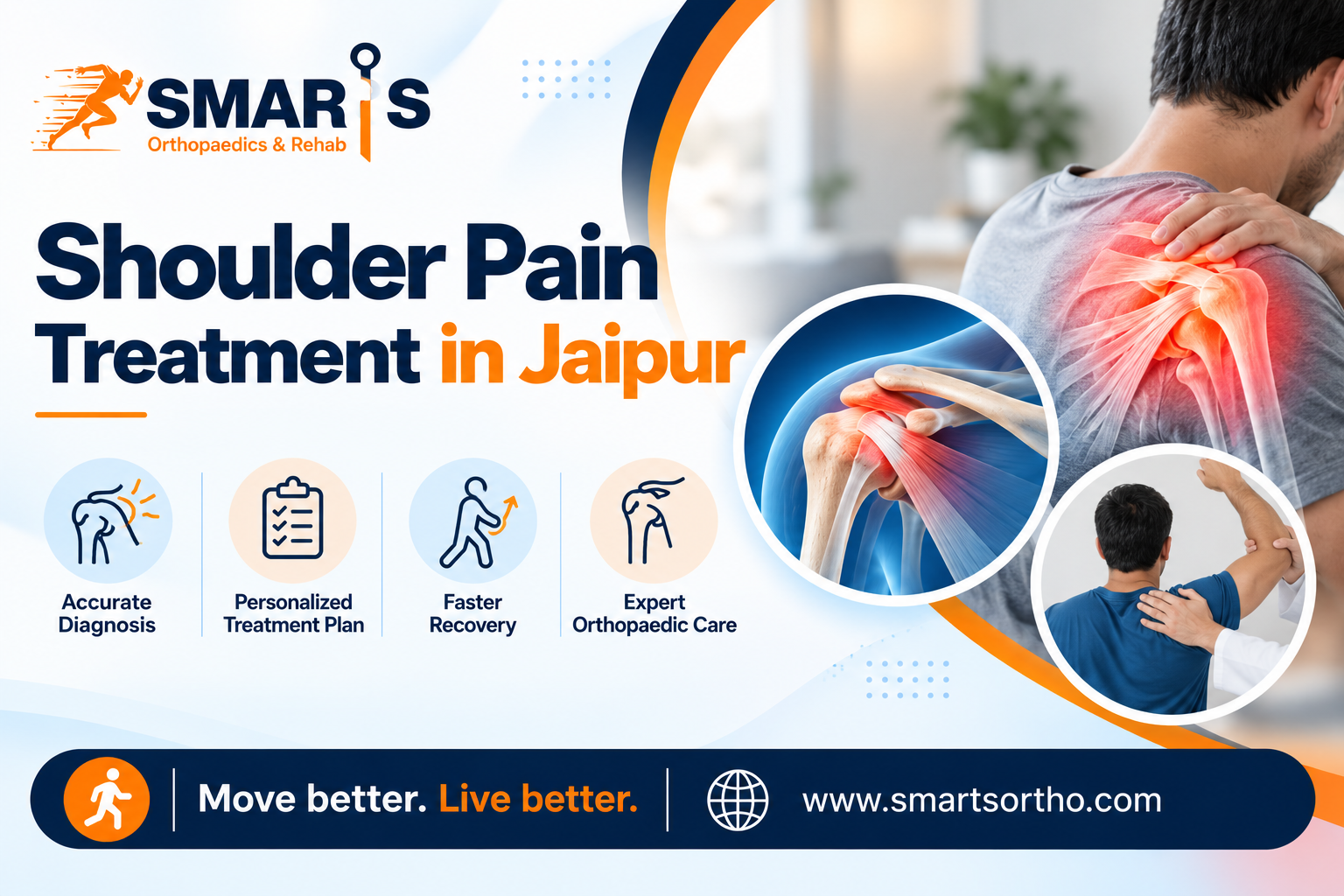
    Shoulder Pain Treatment in Jaipur: Causes & Relief | Smart Ortho

    Does your shoulder hurt when you reach for something on a high shelf, get dressed, or sleep on one side? Shoulder pain can make everyday activities uncomfortable, especially when stiffness or weakness limits your movement.

    The discomfort may develop after an injury, repetitive activity, or gradually without an obvious cause. Common reasons include rotator cuff problems, frozen shoulder, arthritis, and inflammation around the joint.

    Understanding the cause is important because different shoulder conditions require different treatments. If you are considering Shoulder Pain Treatment in Vidyadhar Nagar Jaipur, an orthopedic assessment can help identify the problem and determine whether physiotherapy, medication, lifestyle changes, or another treatment approach is appropriate.

    What Causes Shoulder Pain?

    Shoulder pain can develop when muscles, tendons, ligaments, bones, or other structures around the joint become injured, inflamed, or stiff. Rotator cuff disorders are among the common reasons adults seek treatment, but the cause varies with age, activity, and medical history.

    1. Rotator Cuff Injuries

    The rotator cuff consists of muscles and tendons that help lift, rotate, and stabilise the shoulder. Tendon irritation or tears may cause pain while raising the arm, reaching overhead, or sleeping on the affected side.

    Rotator cuff problems can develop gradually or after an injury.

    2. Frozen Shoulder

    Frozen shoulder, also called adhesive capsulitis, causes progressive pain and stiffness. It becomes difficult to move the arm, even when someone else tries to move it for you.

    It is more commonly seen in middle-aged adults and people with diabetes. Symptoms may persist for months or longer.

    3. Shoulder Arthritis

    Arthritis affects joint surfaces and may cause pain, stiffness, and reduced movement. Symptoms can gradually worsen, making activities like dressing or reaching behind your back uncomfortable.

    4. Tendinitis and Bursitis

    Tendinitis involves irritation of a tendon, while bursitis affects a small fluid-filled sac that cushions tissues around the joint.

    Both conditions can cause discomfort during repetitive movements or overhead activities.

    5. Sports Injuries and Overuse

    Sports such as badminton, swimming, cricket, and weightlifting place repeated demands on the shoulder. Excessive training, sudden loading, falls, or inadequate recovery can contribute to injuries.

    6. Fractures, Dislocations, and Neck Problems

    A fall or accident may cause a fracture or shoulder dislocation. Sometimes, shoulder pain originates in the neck, especially when accompanied by tingling, numbness, or pain travelling down the arm.

    Common Symptoms of Shoulder Problems

    Shoulder conditions can produce different symptoms depending on the structures involved.

    Common signs include:

    • Pain when lifting the arm or reaching overhead.
    • Stiffness or difficulty rotating the shoulder.
    • Shoulder pain while sleeping, particularly on one side.
    • Weakness when lifting or carrying objects.
    • Tenderness or swelling around the joint.
    • Clicking accompanied by pain or instability.
    • Tingling, numbness, or pain travelling into the arm.

    For example, shoulder pain when lifting an arm may suggest tendon-related irritation, while marked restriction in both active and assisted movement may suggest frozen shoulder.

    However, symptoms alone cannot confirm a diagnosis. A medical examination is necessary to distinguish between these conditions.

    When Should You See a Doctor for Shoulder Pain?

    Consult an orthopedic doctor if shoulder pain persists, worsens, or interferes with normal movement.

    Professional assessment is particularly important when:

    • Pain does not improve after approximately two weeks of appropriate self-care.
    • Shoulder discomfort repeatedly interrupts sleep.
    • You cannot comfortably raise or rotate your arm.
    • Weakness affects everyday activities.
    • Pain repeatedly returns during sports or exercise.
    • Shoulder movement becomes increasingly restricted.

    When Is Shoulder Pain Serious?

    Seek urgent medical attention if you experience sudden severe pain after an injury, visible deformity, inability to move the arm, or a hot, swollen joint accompanied by fever.

    Emergency warning: Shoulder or arm pain occurring with chest discomfort, breathlessness, sweating, nausea, or faintness may indicate a heart-related emergency. Seek emergency medical care immediately. Do not assume that pain in either arm is always an orthopedic problem.

    How Is Shoulder Pain Diagnosed?

    Shoulder pain diagnosis begins with understanding the symptoms and examining how the joint moves.

    An orthopedic evaluation may include:

    1. Medical history: Reviewing when the pain started, previous injuries, activity levels, and relevant medical conditions.
    2. Physical examination: Assessing shoulder movement, strength, tenderness, and joint stability.
    3. X-rays: Checking for fractures, arthritis, or other bone-related abnormalities when indicated.
    4. Ultrasound or MRI: Investigating suspected rotator cuff tears or other soft-tissue problems.
    5. Additional investigations: Considering nerve tests or other assessments when symptoms suggest a different underlying condition.

    Not everyone with shoulder pain needs an MRI or other imaging. The decision depends on clinical findings and whether the results will influence treatment.

    Shoulder Pain Treatment in Jaipur: Available Options

    Shoulder pain treatment depends on the diagnosis, severity of symptoms, functional limitations, and individual health needs.

    Many shoulder conditions can initially be managed without surgery.

    1. Rest, Activity Modification, and Home Care

    Reducing activities that repeatedly aggravate the shoulder may allow irritated tissues to recover.

    This does not always mean complete rest. Gentle movement is generally encouraged when safe because prolonged inactivity may contribute to stiffness.

    2. Physiotherapy and Shoulder Exercises

    Physiotherapy can help improve shoulder mobility, muscle strength, and functional movement.

    Depending on the diagnosis, a rehabilitation programme may include stretching, controlled strengthening, and exercises to improve shoulder stability.

    For frozen shoulder, treatment often focuses on pain management and gradually restoring movement. For tendon-related problems, progressive strengthening may be appropriate.

    Exercises should be selected according to the condition rather than following the same routine for every type of shoulder pain.

    3. Medications and Injections

    Doctors may recommend pain-relieving or anti-inflammatory medicines when clinically appropriate.

    Certain patients may benefit from corticosteroid injections to reduce inflammation and pain temporarily, particularly when discomfort limits rehabilitation.

    However, injections are not necessary or suitable for every shoulder condition. Their benefits, limitations, and potential risks should be discussed with the treating doctor.

    4. Surgical Treatment for Shoulder Conditions

    Not every patient with shoulder pain requires surgery.

    Surgery may be considered for selected rotator cuff tears, recurrent shoulder instability, advanced arthritis, or persistent symptoms that have not responded adequately to appropriate non-surgical treatment.

    Shoulder arthroscopy is a minimally invasive surgical technique using a small camera and specialised instruments. It may be used for certain tendon repairs or other structural problems.

    The decision to operate depends on the diagnosis, clinical findings, treatment goals, and expected benefits and risks.

    How Can You Relieve Shoulder Pain at Home?

    Mild shoulder discomfort may improve with simple self-care, particularly when there has been no significant injury.

    Consider these measures:

    • Temporarily reduce heavy lifting and painful overhead movements.
    • Continue gentle movement within a comfortable range.
    • Apply a cold pack wrapped in a towel for short periods after minor strains.
    • Use gentle warmth for muscle tightness when appropriate, avoiding heat over a newly injured or swollen area.
    • Sleep on the unaffected side or back, with a pillow supporting the painful arm.
    • Take regular breaks from repetitive work and adjust uncomfortable workstation positions.

    Avoid forceful stretching or heavy strengthening exercises if the shoulder is severely painful, injured, or unexpectedly weak.

    If symptoms persist, seek professional advice rather than repeatedly relying on home remedies.

    How Long Does Shoulder Pain Take to Heal?

    Shoulder pain recovery depends on the underlying condition, its severity, and the treatment provided.

    A minor muscle strain may improve over several days or weeks. Tendon-related pain can require weeks or months of rehabilitation, particularly when symptoms have been present for a long time.

    Frozen shoulder often follows a prolonged course lasting months and sometimes years. Rotator cuff tears vary considerably; some can be managed without surgery, while others may require repair and extended rehabilitation.

    Recovery after shoulder surgery also depends on the procedure and individual progress.

    An orthopedic evaluation can provide a more realistic recovery plan based on the specific diagnosis.

    Choosing a Shoulder Pain Doctor in Jaipur

    Choosing a Shoulder Pain Doctor in Jaipur

    If shoulder pain continues despite self-care, choosing a qualified orthopedic professional can help you understand the available treatment options.

    When searching for a Shoulder Pain Doctor in Jaipur, consider consulting Dr. Kamaldeep Singh, who can help evaluate shoulder-related concerns and guide patients through suitable treatment options. Look for a clinic that provides a structured clinical assessment, explains the likely diagnosis, and discusses both surgical and non-surgical treatments.

    Other important factors include access to rehabilitation, clear explanations of treatment risks, and appropriate follow-up planning.

    An Orthopedic Surgeon in Jaipur can evaluate conditions such as rotator cuff injuries, shoulder instability, arthritis, and persistent movement restrictions. However, a surgical consultation does not automatically mean an operation is necessary.

    The goal should be to identify the cause and develop a treatment plan suited to the patient’s symptoms and daily activities.

    The goal should be to identify the cause and develop a treatment plan suited to the patient’s symptoms and daily activities.

    Conclusion

    Shoulder pain can develop from injuries, tendon problems, inflammation, arthritis, or joint stiffness. While some conditions improve with home care and physiotherapy, persistent pain or restricted movement may require professional evaluation.

    At SMARTS Ortho Jaipur, patients can seek orthopedic consultation for shoulder problems and discuss suitable medical, rehabilitation, or surgical treatment options based on clinical findings.

    If shoulder pain is affecting your sleep, work, or daily activities, consider booking a consultation.

    Frequently Asked Questions (FAQs)

    1. What is the fastest safe way to relieve shoulder pain?

    For mild shoulder pain without a significant injury, temporarily reducing painful activities, using a wrapped cold pack, and maintaining gentle movement may help. The appropriate approach depends on the cause. Severe, persistent, or worsening pain should be assessed by a healthcare professional.

    2. Why does my shoulder hurt when I raise my arm?

    Pain while raising the arm commonly occurs with rotator cuff problems, tendinitis, bursitis, or other shoulder conditions. Painful movement alone cannot identify the exact cause. A physical examination can help determine whether the problem involves tendons, joint stiffness, or another structure.

    3. Can shoulder pain get better without surgery?

    Yes. Many shoulder conditions improve with activity modification, physiotherapy, medication, and time. Even some rotator cuff tears can be managed without surgery. Treatment depends on the injury, functional limitations, and response to conservative care. Surgery is generally reserved for selected conditions.

    4. Which doctor should I consult for shoulder pain in Jaipur?

    An orthopedic doctor is an appropriate specialist for persistent shoulder pain, stiffness, weakness, or suspected joint injury. They can assess movement, identify possible causes, and recommend treatment. Depending on the diagnosis, physiotherapy or further specialist evaluation may also be advised.

    5. Is physiotherapy effective for shoulder pain?

    Physiotherapy can help many people with shoulder pain by improving joint movement, muscle strength, and daily function. Its effectiveness depends on the diagnosis and an appropriately designed exercise programme. Some injuries need medical assessment before rehabilitation begins, particularly if there is sudden weakness.

    6. When is shoulder pain an emergency?

    Shoulder pain requires urgent assessment after a major injury, with visible deformity, inability to move the arm, or fever with a hot, swollen joint. Shoulder or arm pain accompanied by chest discomfort, difficulty breathing, sweating, or faintness requires immediate emergency medical care.

    Disclaimer: This article is for general educational purposes only and does not replace professional medical advice, diagnosis, or treatment. Shoulder pain may have different causes, and treatment depends on individual clinical assessment. Consult a qualified healthcare professional for persistent or worsening symptoms. Seek urgent medical care for severe injuries or other warning signs.
  • Best Orthopedic Surgeon in Jaipur – Dr. Kamaldeep Singh

    Best Orthopedic Surgeon in Jaipur – Dr. Kamaldeep Singh

    Persistent knee pain, joint stiffness, or difficulty walking can affect everyday activities such as climbing stairs, exercising, and even getting out of a chair. While some orthopedic problems improve with rest and physiotherapy, others require specialist assessment and treatment.

    If you are looking for an experienced orthopedic surgeon in Jaipur, Dr. Kamaldeep Singh at SMARTS Ortho Jaipur provides care for bone, joint, and musculoskeletal conditions. His clinical interests include joint replacement, orthopedic trauma, and surgical and non-surgical management. Understanding his qualifications, areas of expertise, and available treatments can help you make an informed decision about your orthopedic care.

    Meet Dr. Kamaldeep Singh – Orthopedic Surgeon in Jaipur

    Dr. Kamaldeep Singh is an orthopedic surgeon practising in Jaipur, Rajasthan, with a clinical focus on joint replacement, musculoskeletal care, and orthopedic trauma.

    According to his official professional profile, he completed his MBBS from Sawai Mansingh Medical College, Jaipur, in 2009, followed by an MS in Orthopaedics from the same institution in 2017. His profile also lists training in Joint Arthroplasty and Trauma at P.D. Hinduja National Hospital and Medical Research Centre in 2020.

    Joint arthroplasty refers to surgical procedures that replace damaged joint surfaces, commonly involving the knee or hip.

    As an Orthopedic Doctor in Jaipur, patients can consult for joint-related concerns; Dr. Singh’s listed practice areas include surgical and non-surgical orthopedic care.

    At SMARTS Ortho Jaipur, treatment planning considers the patient’s symptoms, clinical findings, mobility requirements, and overall health.

    Patients searching for the Best Orthopedic Doctor Jaipur should evaluate a surgeon’s qualifications, relevant clinical experience, communication, and approach to treatment rather than relying solely on online rankings.

    Orthopedic Conditions Treated by Dr. Kamaldeep Singh

    Orthopedic conditions can affect bones, joints, muscles, ligaments, and tendons. SMARTS Ortho Jaipur lists services for several musculoskeletal problems, ranging from arthritis to sports injuries and fractures.

    1. Knee Pain and Osteoarthritis

    Knee pain may develop because of cartilage damage, osteoarthritis, ligament injuries, or repetitive stress.

    Osteoarthritis occurs when changes in joint cartilage and surrounding tissues contribute to pain, stiffness, and reduced mobility.

    Common symptoms include difficulty climbing stairs, discomfort while walking, swelling, and stiffness after inactivity.

    A specialist assessment helps determine whether exercise, physiotherapy, medication, or another treatment is appropriate.

    2. Hip Pain and Joint Disorders

    Hip problems can make walking, bending, and sitting uncomfortable. Possible causes include arthritis, fractures, tendon disorders, and reduced blood supply to the bone, known as avascular necrosis.

    Persistent hip pain, limited movement, or difficulty bearing weight may require orthopedic evaluation to identify the underlying problem.

    3. Shoulder Injuries and Rotator Cuff Problems

    Shoulder pain may result from rotator cuff injuries, frozen shoulder, instability, or arthritis.

    Patients may experience pain while lifting their arm, weakness, stiffness, or discomfort during sleep.

    Treatment depends on the diagnosis and may include rehabilitation, medication, injections in selected cases, or surgery.

    4. Sports Injuries and Ligament Damage

    Sports injuries commonly involve the knees, shoulders, and ankles.

    Anterior cruciate ligament (ACL) tears, meniscus injuries, and ligament sprains can cause swelling, pain, and joint instability.

    For patients seeking Sports Injury Treatment in Jaipur, clinical assessment helps establish injury severity and whether rehabilitation alone is suitable.

    5. Fractures and Orthopedic Trauma

    Fractures can occur following falls, accidents, or sports injuries.

    Symptoms may include sudden pain, swelling, bruising, deformity, and difficulty moving the affected limb.

    Some fractures can be treated with immobilisation, while displaced or unstable fractures may require surgical fixation.

    Orthopedic Treatments Available at SMARTS Ortho Jaipur

    SMARTS Ortho Jaipur lists joint replacement, arthroscopy, sports injury management, fracture care, joint preservation, and physiotherapy among its services. Treatment selection depends on the patient’s diagnosis and clinical requirements.

    Knee and Hip Replacement Surgery

    Joint replacement may be considered when advanced arthritis or significant joint damage causes persistent pain and restricts daily activities despite appropriate non-surgical treatment.

    During knee replacement surgery, damaged joint surfaces are replaced with artificial components. Hip replacement involves replacing damaged parts of the hip joint with prosthetic components.

    A Joint Replacement Surgeon in Jaipur evaluates pain severity, X-rays, functional limitations, overall health, and previous treatment response before recommending surgery.

    Patients researching a Knee Replacement Surgeon in Jaipur or Hip Replacement Surgeon in Jaipur should also ask about surgical risks, rehabilitation, and expected recovery.

    Joint replacement carries potential complications, including infection, blood clots, stiffness, and implant-related problems. The decision should follow a detailed discussion of benefits and risks.

    Arthroscopy and Sports Injury Treatment

    Arthroscopy is a minimally invasive surgical procedure that uses a small camera to examine and treat selected problems inside a joint.

    It may be recommended for certain ligament injuries, meniscus tears, shoulder tendon injuries, or joint instability.

    However, not every injury requires arthroscopy. Some ligament and cartilage injuries can improve with physiotherapy and structured rehabilitation.

    The appropriate treatment depends on injury severity, symptoms, activity requirements, and clinical findings.

    Fracture and Trauma Management

    Fracture treatment focuses on restoring appropriate bone alignment, supporting healing, and preserving movement.

    Depending on the injury, treatment may involve a splint, cast, surgical fixation, and rehabilitation.

    Early assessment is particularly important when an injury causes deformity, severe pain, numbness, or inability to bear weight.

    Joint Preservation and Non-Surgical Care

    Surgery is not always necessary for joint pain.

    Non-surgical treatments may include:

    • Physiotherapy and strengthening exercises
    • Weight management when appropriate
    • Activity modification
    • Prescribed pain-relieving or anti-inflammatory medicines
    • Supportive devices or braces
    • Selected joint injections when clinically indicated

    For knee osteoarthritis, exercise, weight management, and appropriate medication are important treatment options. The American Academy of Orthopaedic Surgeons recommends individualised care based on symptoms and clinical findings.

    How to Choose the Right Orthopedic Surgeon in Jaipur

    Choosing an orthopedic surgeon involves more than searching for the Best Orthopedic Doctor Jaipur online.

    Patients should consider several practical factors before making a decision.

    Qualifications and relevant experience: Check the surgeon’s recognised medical qualifications and experience treating your specific condition.

    Condition-specific expertise: A patient with advanced knee arthritis may benefit from consulting a joint replacement specialist, while someone with a ligament injury may need expertise in sports medicine.

    Diagnosis and treatment options: The surgeon should explain the likely diagnosis, relevant investigations, and available surgical and non-surgical treatments.

    Communication and informed consent: Patients should understand the expected benefits, limitations, risks, and alternatives before agreeing to a procedure.

    Rehabilitation planning: Recovery support and follow-up care are important, particularly after major joint surgery.

    For patients considering an orthopedic clinic in Jaipur, these factors can help assess whether the care offered matches their medical needs.

    When Should You Consult an Orthopedic Doctor?

    Consult an Orthopedic Specialist Jaipur patients can access when bone or joint symptoms persist, recur, or interfere with daily activities.

    Common reasons for seeking an assessment include persistent joint pain, swelling, stiffness, difficulty walking, restricted movement, recurring sports injuries, or a joint that repeatedly gives way.

    You should seek prompt medical attention if you experience severe pain after an injury, visible deformity, an inability to bear weight, or numbness following trauma.

    A hot, swollen joint accompanied by fever also requires urgent medical assessment because it may indicate infection.

    Early evaluation can help establish the cause and guide appropriate care.

    Frequently Asked Questions

    1. Who is the best orthopedic doctor in Jaipur?

    There is no single orthopedic doctor who is best for every condition. The appropriate specialist depends on your diagnosis and treatment needs. Dr. Kamaldeep Singh is an orthopedic surgeon at SMARTS Ortho Jaipur whose listed clinical interests include joint replacement, orthopedic trauma, and musculoskeletal care.

    2. What does Dr. Kamaldeep Singh specialise in?

    Dr. Kamaldeep Singh’s professional profile identifies joint replacement, orthopedic trauma, and musculoskeletal care among his clinical interests. SMARTS Ortho Jaipur also lists services involving knee and hip conditions, sports injuries, arthroscopy, and joint preservation. Treatment suitability is determined after an individual examination.

    3. Can knee pain be treated without surgery?

    Yes. Many causes of knee pain can be managed without surgery. Depending on the diagnosis, treatment may include physiotherapy, strengthening exercises, activity changes, weight management, or appropriate medication. Surgery is generally considered when clinically indicated, particularly when symptoms remain significant despite suitable conservative treatment.

    4. When should I consult an orthopedic surgeon?

    Consider an orthopedic consultation when joint pain, swelling, stiffness, or movement difficulties continue or repeatedly return. Seek urgent medical attention after a serious injury, especially if the joint appears deformed, you cannot bear weight, or you experience numbness. A painful, swollen joint with fever also needs urgent assessment.

    5. Does every joint problem require surgery?

    No. Many orthopedic conditions improve with non-surgical treatment. Physiotherapy, medicines, exercise modification, and rehabilitation may be sufficient for certain joint problems. Surgery is considered when the diagnosis, severity, symptoms, and expected benefits justify it. Your orthopedic specialist should explain the available alternatives.

    6. How do I choose a joint replacement surgeon in Jaipur?

    Look for recognised orthopedic qualifications, relevant experience in knee or hip replacement, and a clear approach to patient assessment. Ask about the procedure, potential complications, implant considerations, expected recovery, and rehabilitation. A suitable surgeon should explain why joint replacement is recommended and discuss reasonable alternatives before surgery.

    Conclusion

    Persistent bone or joint pain deserves appropriate medical attention, particularly when it affects mobility, work, or everyday activities. An accurate diagnosis helps determine whether physiotherapy, medication, lifestyle changes, or surgical treatment may be suitable.

    Dr. Kamaldeep Singh provides orthopedic and joint-related care at SMARTS Ortho Jaipur, with clinical interests covering joint replacement, trauma, and musculoskeletal conditions.

    If you are experiencing ongoing knee pain, hip discomfort, shoulder problems, or movement difficulties, consider scheduling an orthopedic consultation to understand your condition and discuss appropriate treatment options.

    Medical Disclaimer

    This article is intended for general informational purposes only and does not replace professional medical advice, diagnosis, or treatment. Orthopedic conditions and treatment requirements vary from person to person. Consult a qualified orthopedic specialist for an individual assessment and appropriate medical guidance.

  • Hip Replacement Surgery in Rajasthan: A Patient Guide

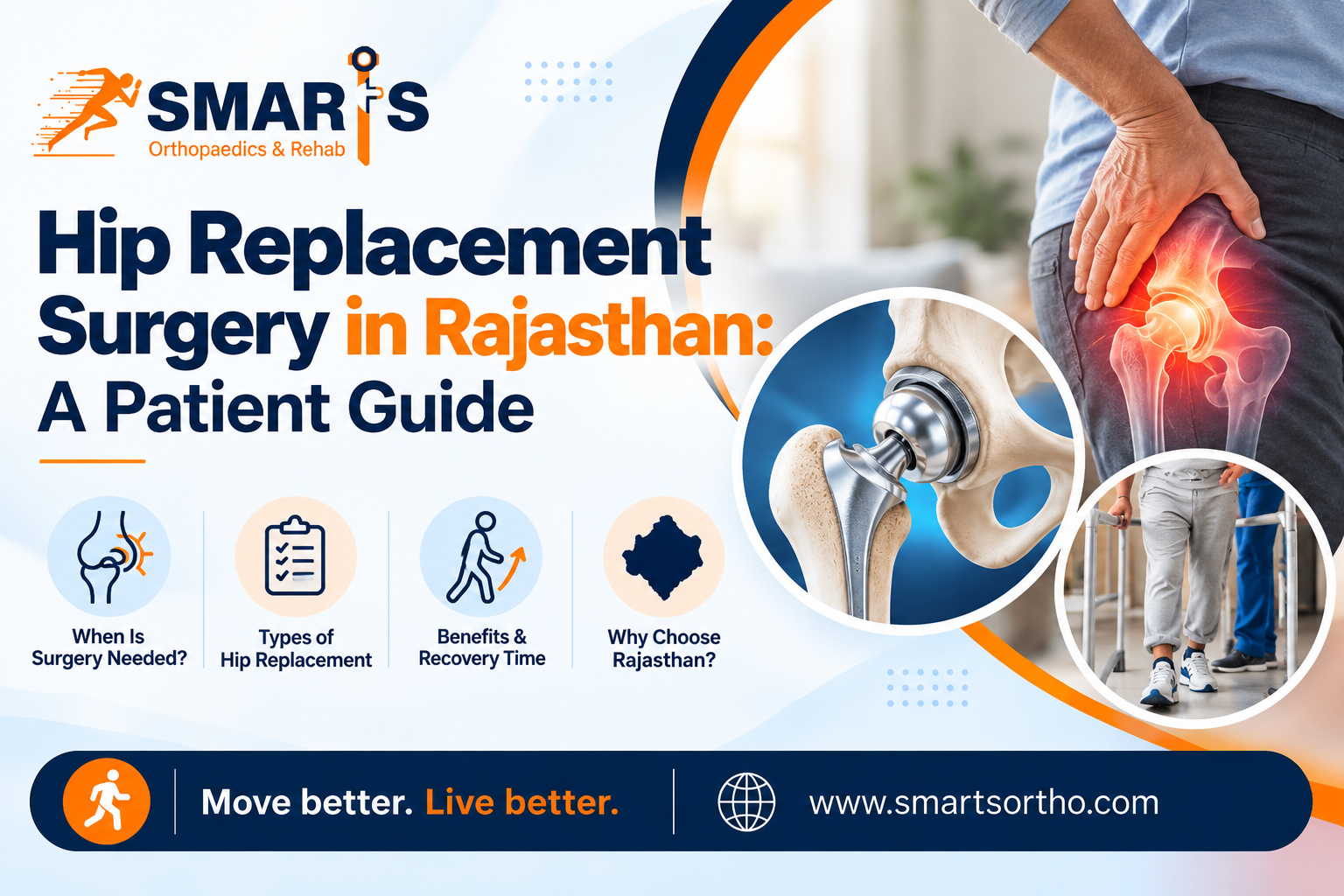
    Hip Replacement Surgery in Rajasthan: A Patient Guide

    Hip pain can make even simple activities difficult. Walking to the market, climbing stairs, getting out of a chair, or sleeping comfortably may become challenging when the hip joint is damaged. While medicines and physiotherapy can help many people, persistent pain sometimes requires a different approach.

    Hip Replacement Surgery in Rajasthan is a treatment option for patients with severe hip joint damage that significantly affects their mobility and everyday activities. However, surgery is not necessary for everyone experiencing hip pain.

    Understanding when hip replacement is recommended, how the procedure works, its possible risks, and what recovery involves can help patients make informed decisions about their treatment.

    What Is Hip Replacement Surgery?

    Hip replacement surgery is a procedure in which damaged parts of the hip joint are replaced with artificial components made from materials such as metal, ceramic, and medical-grade plastic.

    The hip is a ball-and-socket joint. The ball sits at the top of the thigh bone, while the socket forms part of the pelvis. Smooth cartilage allows these surfaces to move comfortably.

    When cartilage becomes severely damaged, movement can become painful and restricted.

    The hip replacement procedure replaces damaged joint surfaces to help reduce pain and improve movement. The type of implant and surgical approach depend on the patient’s condition, bone health, and medical assessment.

    When Is Hip Replacement Surgery Needed?

    Not every patient with hip pain requires surgery. Doctors usually consider non-surgical treatments before recommending joint replacement, particularly for arthritis-related pain.

    These may include medicines, physiotherapy, suitable exercises, walking aids, and lifestyle modifications.

    Hip replacement may be considered when:

    • Severe arthritis: Advanced osteoarthritis or inflammatory arthritis causes significant joint damage.
    • Persistent hip pain: Pain continues despite appropriate non-surgical treatment.
    • Difficulty walking: Everyday activities become increasingly uncomfortable or restricted.
    • Joint stiffness: Limited hip movement affects bending, sitting, or getting dressed.
    • Bone damage: Conditions such as avascular necrosis cause serious damage to the hip joint.

    The decision to undergo hip replacement treatment depends on symptoms, examination findings, overall health, and how much the condition affects daily life. Consulting the best hip replacement specialist in Jaipur can help patients understand their treatment options, assess the extent of joint damage, and determine whether hip replacement surgery is appropriate for their condition.

    Types of Hip Replacement Surgery

    Different surgical procedures are used depending on the part of the joint that requires replacement.

    1. Total Hip Replacement

    In total hip replacement, both the damaged ball of the thigh bone and the socket surface are replaced with artificial components.

    This procedure is commonly considered for advanced hip arthritis and other conditions involving extensive joint damage.

    2. Partial Hip Replacement

    Partial hip replacement usually involves replacing the ball of the thigh bone while preserving the natural socket.

    It is most commonly used for certain hip fractures, particularly in older adults, rather than routine treatment of advanced arthritis.

    Your orthopaedic surgeon will recommend the appropriate procedure based on the underlying condition and medical findings.

    Benefits of Hip Replacement Surgery

    For appropriately selected patients, hip replacement can provide meaningful improvements in comfort and movement.

    Potential Benefits

    • Reduced pain caused by damaged joint surfaces
    • Improved hip movement and walking ability
    • Greater independence in everyday activities
    • Improved comfort during routine physical activities
    • Better quality of life for many patients

    Hip Replacement Recovery: What Should Patients Expect?

    Hip replacement recovery is a gradual process that requires rehabilitation and regular follow-up.

    Many patients begin standing or walking with assistance shortly after surgery, depending on their medical condition and the surgeon’s instructions.

    Early Recovery

    During the first few weeks, patients may use a walker or crutches while improving their walking ability.

    Physiotherapy helps strengthen muscles, improve balance, and restore safe movement.

    Returning to Daily Activities

    Many patients gradually resume routine activities within several weeks. However, complete recovery and improvement in strength may take several months.

    Recovery depends on age, physical fitness, existing medical conditions, surgical approach, and rehabilitation progress.

    Important Recovery Precautions

    • Follow prescribed physiotherapy exercises.
    • Take medicines as directed.
    • Keep the surgical wound clean and dry according to medical advice.
    • Use walking aids until advised otherwise.
    • Follow any movement restrictions recommended by the surgeon.
    • Attend scheduled follow-up appointments.

    Sudden breathlessness, chest pain, fever, increasing wound discharge, or severe leg swelling requires urgent medical assessment.

    Hip Replacement Surgery Cost in Rajasthan

    The hip replacement surgery cost in Rajasthan varies depending on the hospital, implant selection, patient’s medical needs, and treatment requirements.

    Several factors influence the overall expense:

    • Type of surgery: Total and partial hip replacement may involve different costs.
    • Implant selection: Implant materials, design, and manufacturer can affect pricing.
    • Hospital facilities: Operating theatre facilities and room categories influence hospital charges.
    • Medical investigations: Blood tests, imaging, and pre-operative assessments add to the overall cost.
    • Hospital stay: Length of admission and additional medical care may affect expenses.
    • Rehabilitation: Physiotherapy, follow-up visits, and recovery-related requirements should also be considered.

    Patients should request an itemised estimate that explains what is included and excluded.

    It is also useful to check applicable health insurance coverage, cashless treatment eligibility, and possible additional expenses before admission.

    How to Choose the Right Orthopaedic Specialist

    Choosing a surgeon is an important part of planning hip replacement surgery.

    When searching for the Best Orthopedic Doctor, focus on relevant qualifications, experience in hip replacement procedures, and a clear approach to patient care.

    Consider the following:

    • Experience in treating hip arthritis and complex joint conditions
    • Ability to explain surgical and non-surgical treatment options
    • Discussion of risks, implant choices, and expected outcomes
    • A clear recovery and rehabilitation plan
    • Availability of appropriate follow-up care

    An orthopaedic specialist in Jaipur should assess your medical condition thoroughly and explain whether surgery is appropriate.

    Patients should feel comfortable asking questions and understanding the recommended treatment before making a decision.

    Why Consult SmartOrtho for Hip Pain Evaluation?

    Hip pain may result from arthritis, fractures, soft tissue injuries, or other conditions. Identifying the cause is essential before choosing treatment.

    SmartOrtho provides orthopaedic care in Jaipur, including evaluation of hip-related conditions and joint replacement services.

    Its hip pain treatment services cover the assessment of hip pain, diagnostic investigations, non-surgical management options, and surgical treatment when appropriate.

    Conclusion

    Hip Replacement Surgery in Rajasthan may help patients with severe hip joint damage regain mobility and reduce persistent pain. However, choosing the right treatment requires an accurate diagnosis, careful surgical planning, and realistic recovery expectations.

    If hip pain is affecting your daily activities, a professional orthopaedic evaluation can help identify suitable treatment options.

    At Smarts Ortho, patients can seek guidance about hip conditions, available treatments, and whether joint replacement should be considered. Timely assessment is an important first step towards managing hip pain effectively.

    Frequently Asked Questions (FAQs)

    1. When should someone consider hip replacement surgery?

    Hip replacement may be considered when severe joint damage causes persistent pain, stiffness, or difficulty walking despite appropriate non-surgical treatments. An orthopaedic specialist can assess your symptoms, imaging results, and overall health before recommending surgery.

    2. How long does hip replacement recovery take?

    Many patients gradually return to daily activities within several weeks, while fuller recovery may take several months. Recovery time depends on age, overall health, physical fitness, and rehabilitation progress. Following medical advice and physiotherapy instructions is important.

    3. What factors affect hip replacement surgery cost in Rajasthan?

    The cost depends on the type of procedure, implant selection, hospital facilities, medical investigations, length of stay, and rehabilitation needs. Patients should request a detailed estimate and check their insurance coverage before scheduling surgery.

    4. How can I choose the right orthopaedic specialist for hip replacement?

    Look for a qualified orthopaedic surgeon with relevant hip replacement experience. Consider their approach to diagnosis, explanation of treatment options, discussion of risks, rehabilitation planning, and follow-up care. A thorough consultation can help you make an informed decision.

    Medical Disclaimer

    This blog is intended for general educational purposes only and does not replace professional medical advice, diagnosis, or treatment. Hip replacement suitability, surgical risks, recovery time, and treatment outcomes vary between individuals. Always consult a qualified orthopaedic specialist for personalised medical evaluation and recommendations.

    To Know More: https://smartsortho.com/ 

  • Joint Replacement in Jaipur: Types, Benefits & Recovery Time

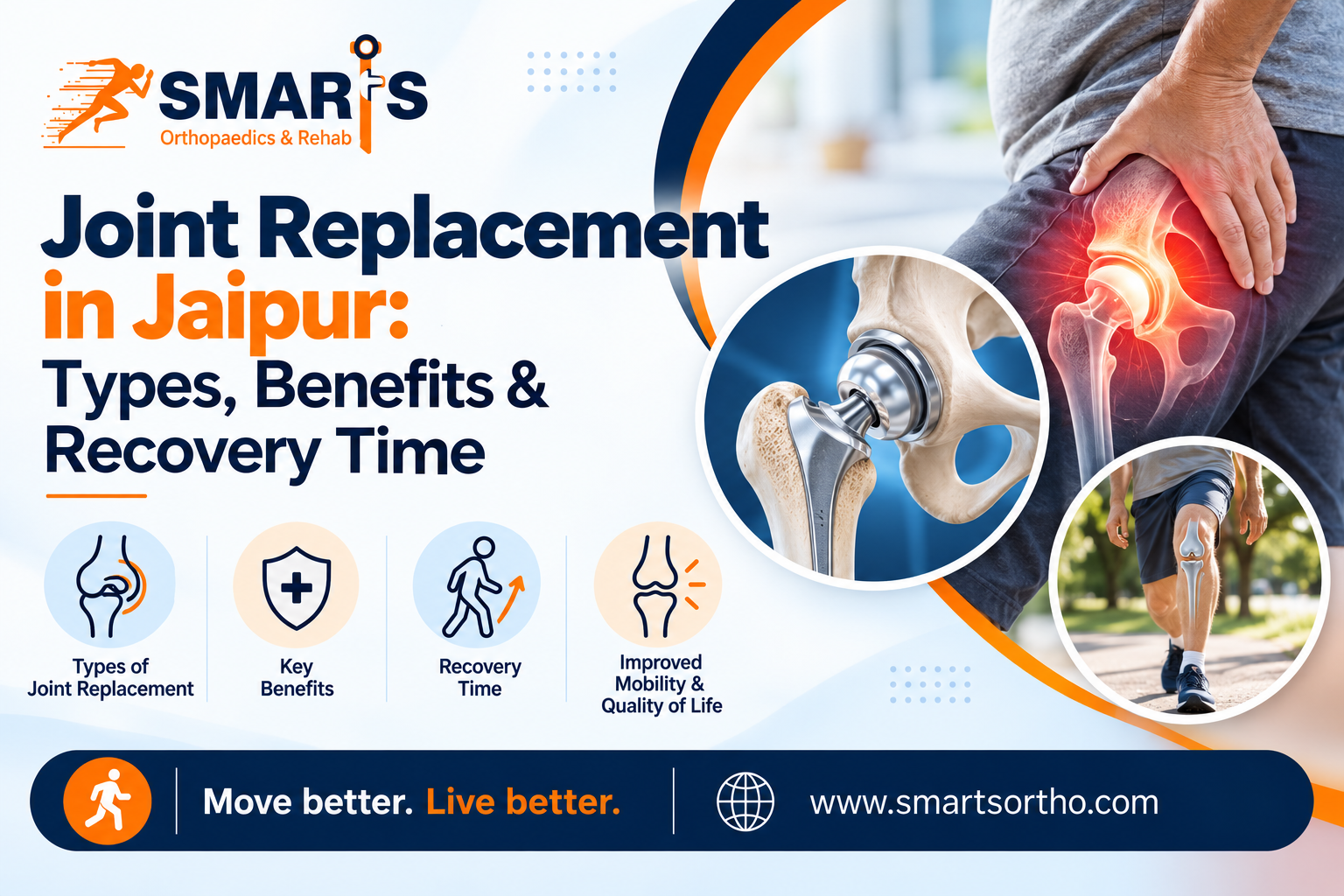
    Joint Replacement in Jaipur: Types, Benefits & Recovery Time

    Joint pain can slowly begin to affect everyday life. Walking to the market, climbing stairs, getting out of a chair, or sleeping comfortably may become difficult when the knee, hip, or another joint is severely damaged. While many joint problems can be managed with non-surgical treatment, some people continue to experience significant pain and restricted movement despite appropriate care.

    For patients considering Joint Replacement in Jaipur, understanding the available procedures, possible benefits, risks, and recovery process is important. Joint replacement surgery may help improve mobility and reduce pain in appropriately selected patients. However, not everyone with joint pain needs surgery. A qualified orthopaedic specialist can evaluate the condition and recommend suitable treatment based on individual needs.

    What Is Joint Replacement Surgery?

    Joint replacement surgery, also called arthroplasty, is a procedure in which damaged parts of a joint are removed and replaced with artificial components.

    These components, known as implants or prostheses, may be made from metal, medical-grade plastic, ceramic, or a combination of materials, depending on the joint and procedure.

    The purpose is to improve joint function and reduce pain caused by significant joint damage.

    Joint replacement is most commonly performed on the knee and hip, although shoulder and certain other joints can also be replaced when medically indicated.

    A doctor generally considers surgery when joint damage significantly affects daily life and suitable non-surgical treatments have not provided adequate relief.

    When Is Joint Replacement Surgery Needed?

    Joint replacement is not the first treatment for every painful joint. Many patients benefit from physiotherapy, activity modification, weight management when appropriate, supportive devices, and doctor-advised medicines.

    However, certain conditions can cause progressive joint damage.

    Common reasons for considering joint replacement include:

    • Osteoarthritis: Gradual breakdown of joint cartilage that can cause pain, stiffness, and difficulty moving.
    • Rheumatoid Arthritis: An inflammatory condition that may damage joints over time.
    • Avascular Necrosis: Reduced blood supply to a bone, sometimes causing collapse of the joint surface, particularly in the hip.
    • Severe Joint Injuries: Certain fractures or injuries that cause extensive damage to the joint.
    • Advanced Joint Deformity: Significant changes in joint alignment associated with pain and reduced function.
    • Persistent Joint Pain: Severe symptoms that continue despite appropriate non-surgical management.

    A person may experience pain while walking, difficulty standing for long periods, disturbed sleep, or reduced independence in everyday activities.

    These symptoms deserve medical assessment, but they do not automatically mean surgery is required.

    Types of Joint Replacement Surgery

    The appropriate type of joint replacement depends on the affected joint, extent of damage, bone quality, overall health, and individual functional requirements.

    1. Total Knee Replacement

    Total knee replacement is commonly considered for advanced knee arthritis when multiple areas of the joint are significantly damaged.

    During the procedure, the surgeon removes damaged surfaces of the thigh bone and shin bone and replaces them with specially designed artificial components.

    The procedure aims to reduce pain and improve knee function.

    Patients may consider knee replacement when walking, climbing stairs, or performing regular activities becomes increasingly difficult despite appropriate treatment.

    2. Partial Knee Replacement

    Partial knee replacement may be an option when damage is limited to a particular compartment of the knee and other important joint structures meet specific clinical requirements.

    Only the affected compartment is replaced, preserving the remaining suitable parts of the joint.

    Because the procedure is more limited, some patients may experience a shorter initial recovery compared with total knee replacement.

    However, partial replacement is not suitable for every patient. The choice depends on examination findings, imaging, ligament stability, and the pattern of arthritis.

    3. Total Hip Replacement

    Hip replacement surgery involves replacing the damaged ball and socket surfaces of the hip joint with artificial components.

    It may be considered for advanced hip arthritis, certain cases of avascular necrosis, or other conditions causing severe hip pain and restricted movement.

    Patients with hip problems may experience discomfort in the groin, thigh, or buttock, along with difficulty walking, bending, or getting dressed.

    A successful recovery requires appropriate rehabilitation and adherence to the surgeon’s advice.

    4. Partial Hip Replacement

    Partial hip replacement involves replacing the ball portion of the hip joint while retaining the natural socket.

    This procedure is commonly used for selected hip fractures, particularly when the fracture affects the femoral neck.

    It is not generally the same treatment choice as total hip replacement for advanced osteoarthritis.

    The decision between partial and total replacement depends on the patient’s condition, level of activity, existing joint damage, and clinical assessment.

    5. Shoulder Replacement

    Shoulder replacement may be considered when advanced arthritis, certain fractures, or complex shoulder conditions cause significant pain and loss of movement.

    Depending on the condition, a surgeon may recommend an anatomical or reverse shoulder replacement.

    These procedures are designed for different patterns of joint and tendon damage.

    A detailed shoulder examination and appropriate imaging help determine whether replacement is necessary and which procedure may be suitable.

    Benefits of Joint Replacement Surgery

    Joint replacement surgery aims to improve comfort and function in patients whose joints have become significantly damaged.

    Potential benefits include:

    1. Reduction in Joint Pain

    Replacing damaged joint surfaces may reduce pain associated with advanced arthritis or other joint conditions.

    2. Improved Mobility

    Some patients find it easier to walk, stand, bend, or perform everyday movements after recovery.

    3. Better Daily Function

    Activities such as climbing stairs, getting out of a chair, shopping, and completing household tasks may become more manageable.

    4. Improved Sleep and Comfort

    When joint pain decreases, patients may experience improved comfort during rest and sleep.

    5. Greater Independence

    Improved mobility may help patients participate more comfortably in daily activities and maintain independence.

    However, results vary. Some patients may continue to experience pain, stiffness, or movement limitations after surgery.

    Implants can also wear out or loosen over time, and some patients may require additional surgery in the future.

    How Do Doctors Decide Which Joint Replacement Is Suitable?

    Choosing the correct procedure requires more than identifying the location of pain.

    A Joint Pain Specialist in Jaipur may begin by reviewing symptoms, medical history, previous treatments, and the patient’s ability to perform everyday activities.

    The evaluation usually includes:

    • Physical examination to assess joint movement, tenderness, alignment, and stability.
    • X-rays to evaluate bone changes and the extent of joint damage.
    • Additional imaging when required for specific clinical questions.
    • Assessment of medical conditions such as diabetes, heart disease, or other health concerns.
    • Discussion of treatment expectations, lifestyle, and rehabilitation needs.

    A qualified orthopaedic surgeon should explain whether surgery is appropriate, which procedure may be considered, and the potential risks and alternatives.

    Choosing the Right Orthopaedic Care in Jaipur

    When researching Joint Replacement in Jaipur, patients should focus on finding a qualified orthopaedic surgeon who can provide an accurate diagnosis and explain the available treatment options.

    Important factors include relevant qualification

    • Practising activities such as sitting, standing, and using stairs.

    Exercises should be performed according to the recommended rehabilitation plan.

    Overexertion, skipping prescribed exercises, or returning to demanding activities before medical clearance may affect recovery.

    Frequently Asked Questions

    1. Is joint replacement surgery necessary for every patient with arthritis?

    No. Many patients with arthritis can manage symptoms through non-surgical treatment. Joint replacement may be considered when joint damage and persistent symptoms significantly affect daily activities despite appropriate care.

    2. How long does recovery after joint replacement take?

    Recovery depends on the joint replaced, procedure, age, health, and rehabilitation progress. Many patients gradually resume routine activities within weeks, but more complete recovery may take several months or longer.

    3. Can I walk after knee or hip replacement surgery?

    Many patients begin walking with assistance soon after surgery when medically appropriate. A physiotherapist and surgeon will advise how much weight can safely be placed on the operated leg.

    4. How long does an artificial joint last?

    Modern joint implants may function for many years, but their lifespan varies. Factors such as implant type, activity level, body weight, bone condition, and possible complications can affect durability.

    5. Can joint pain be treated without replacement surgery?

    Yes. Depending on the diagnosis, Joint Pain Treatment in Jaipur may involve physiotherapy, activity modification, appropriate medicines, supportive devices, or other non-surgical approaches. An orthopaedic assessment helps determine suitable options.

    Conclusion

    Joint replacement surgery may help people with advanced joint damage manage pain and improve everyday function. Different procedures, including total knee replacement, partial knee replacement, hip replacement, and shoulder replacement, are used for different medical conditions.

    Understanding the benefits, possible complications, and expected recovery time helps patients make informed decisions. Equally important is recognising that surgery is not always the first or most appropriate option.

    If persistent joint pain or stiffness is affecting your quality of life, exploring Joint Replacement in Jaipur with a qualified orthopaedic professional may help you understand your treatment choices.

    Consider consulting Smart Ortho, Jaipur, for an individualised evaluation and guidance based on your specific joint condition.

    Medical Disclaimer: This blog is for informational purposes only and does not replace professional medical advice, diagnosis, or treatment. Treatment or medicines should not be started, stopped, or changed without consulting a qualified doctor or obtaining a prescription where required. Individual treatment decisions should be made after an appropriate medical evaluation.

    Read More: https://smartsortho.com/

  • Knee Replacement Surgery in Jaipur: Cost, Benefits & Recovery Time

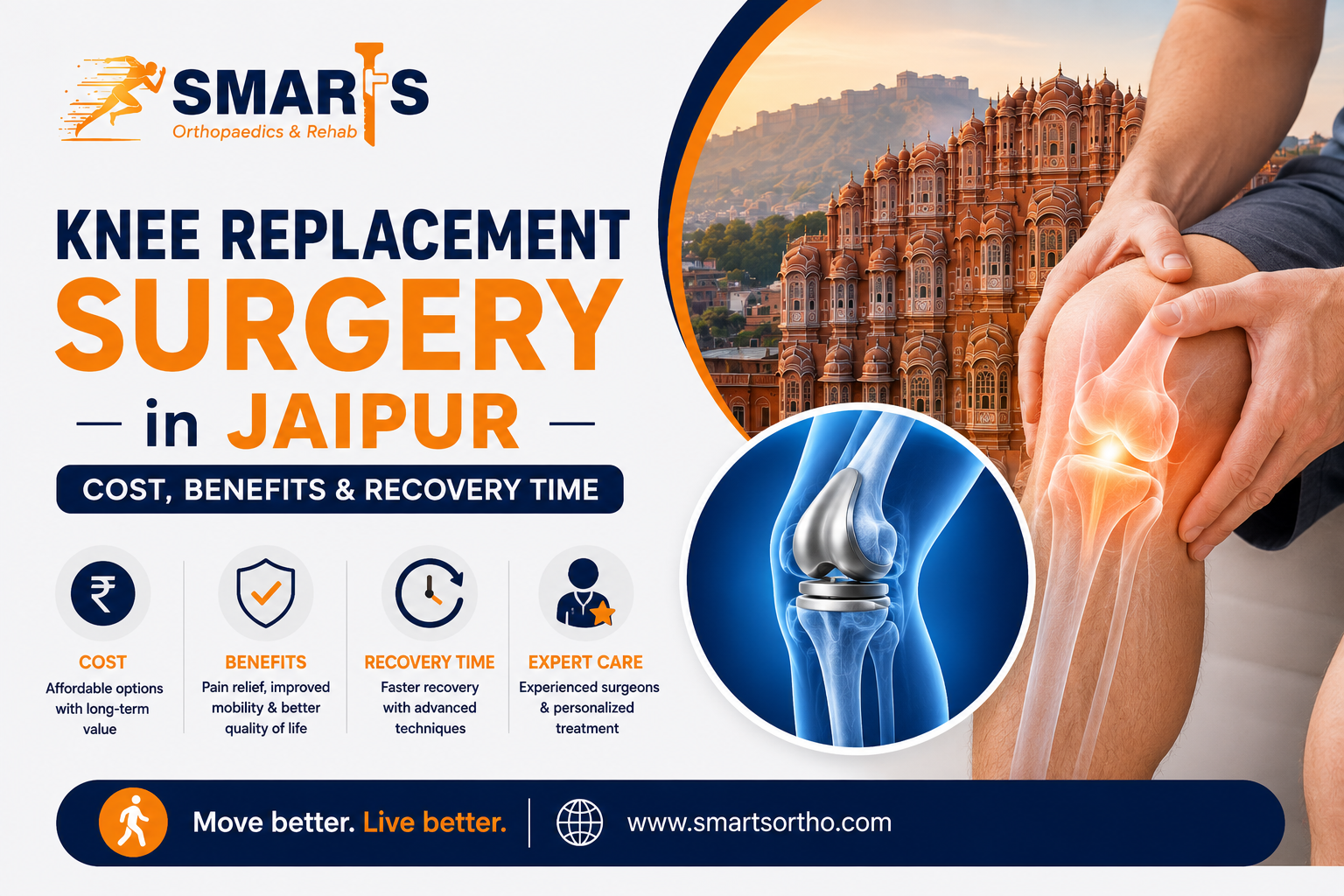
    Knee Replacement Surgery in Jaipur: Cost, Benefits & Recovery Time

    Knee pain can gradually affect walking, climbing stairs, working, sleeping, and even simple daily activities. When advanced knee arthritis causes persistent pain and conservative treatment no longer provides adequate relief, knee replacement may be considered. Knee Replacement Surgery in Jaipur is performed to replace damaged joint surfaces with artificial components and improve mobility and quality of life.

    The cost of knee replacement in Jaipur varies according to factors such as the type of replacement, implant selected, hospital facilities, surgeon’s expertise, investigations, duration of hospital stay, and rehabilitation needs. Recovery also differs from person to person, but many patients begin walking with support soon after surgery and progressively return to routine activities over the following weeks.

    What Is Knee Replacement Surgery?

    Knee replacement, also called knee arthroplasty, is a procedure in which damaged portions of the knee joint are resurfaced with artificial components. A total knee replacement generally involves the affected surfaces of the thigh bone and shin bone, with a spacer that allows smoother movement.

    In selected patients, only part of the knee may need replacement. The decision between partial and total replacement depends on the location and extent of joint damage, symptoms, alignment, age, activity level, and overall health.

    A Knee Replacement Surgeon in Jaipur usually evaluates symptoms, physical examination findings, X-rays, medical history, and previous treatments before recommending surgery.

    When Is Knee Replacement Considered?

    Knee replacement is not usually the first treatment for knee pain. Depending on the underlying cause, patients may initially be advised activity modification, physiotherapy, weight management, supportive measures, or other non-surgical options.

    Surgery may be considered when significant arthritis or joint damage causes ongoing pain and stiffness, limits everyday activities, and does not improve sufficiently with appropriate non-surgical treatment.

    If you are searching for Knee Pain Treatment in Jaipur, an orthopaedic evaluation can help determine whether your symptoms require surgery or can be managed without it.

    Knee Replacement in Jaipur: What Does It Cost?

    One of the most common questions patients ask is, “How much does knee replacement cost in Jaipur?”

    There is no single price that applies to every patient. The overall expense can depend on:

    • Type of knee replacement required
    • Implant design and material
    • Surgeon and hospital charges
    • Anaesthesia and operating-room expenses
    • Pre-operative investigations
    • Hospital stay
    • Medicines and nursing care
    • Physiotherapy and rehabilitation
    • Management of existing medical conditions, when required

    For an accurate estimate, patients should discuss the expected treatment plan and package details with their orthopaedic surgeon and hospital. Choosing treatment based only on the lowest quoted price may not provide a complete picture of the care required.

    Benefits of Knee Replacement

    For appropriately selected patients, knee replacement can help reduce pain caused by advanced joint damage and improve physical function. Potential benefits may include:

    • Better ability to walk and stand
    • Improved knee movement
    • Greater independence in daily activities
    • Reduced limitation from chronic knee pain
    • Improved ability to participate in suitable low-impact activities

    However, outcomes vary. Knee replacement is a major surgical procedure, and realistic expectations are important. Your surgeon can explain the potential benefits and limitations based on your individual condition.

    Recovery Time After Knee Replacement

    Recovery from knee replacement is a gradual process rather than an overnight change.

    Early Recovery

    Patients are generally encouraged to begin appropriate movement and walking soon after surgery, according to their surgeon and rehabilitation team. A walker or other support may be needed initially.

    During the first few weeks, swelling, stiffness, tiredness, and discomfort can occur. Rehabilitation focuses on gradually improving knee movement, strength, balance, and walking ability.

    Returning to Daily Activities

    Many patients can resume several routine activities within a few weeks, although the exact timeline varies. Driving, returning to work, climbing stairs, and other activities should be resumed only when the treating team considers them appropriate.

    Continued physiotherapy and prescribed exercises can be important for regaining strength and movement. Recovery may continue for several months, with progress differing between individuals.

    Choosing the Right Orthopaedic Care in Jaipur

    Finding the right specialist is an important part of planning knee treatment. Patients may consider the surgeon’s qualifications, experience with joint replacement, hospital facilities, rehabilitation support, communication, and approach to patient safety.

    For people looking for the best Orthopaedic Doctor in Vidyadhar Nagar Jaipur, an appointment at an established Orthopaedic Clinic in Vidyadhar Nagar Jaipur can provide an opportunity to discuss symptoms and treatment options in detail.

    Similarly, people searching for the best orthopaedic doctor in Jaipur should focus on appropriate diagnosis and individualized treatment rather than relying only on online rankings or promotional claims. Good orthopaedic care should explain both surgical and non-surgical options when relevant.

    Frequently Asked Questions

    1. Is knee replacement suitable for every patient with knee pain?

    No. Knee replacement is generally considered when significant joint damage causes persistent symptoms and appropriate non-surgical treatment is no longer sufficient. An orthopaedic assessment is necessary.

    2. How long does knee replacement recovery take?

    Initial recovery often occurs over several weeks, while strength, movement, and confidence can continue improving for several months. Recovery time varies between patients.

    3. What is the cost of knee replacement in Jaipur?

    There is no fixed cost. The final expense depends on the procedure, implant, hospital, surgeon, investigations, hospital stay, and rehabilitation requirements.

    4. Will I be able to walk after knee replacement?

    Walking is usually introduced early with appropriate support and professional guidance. The pace at which a patient progresses depends on overall health, surgery, rehabilitation, and individual recovery.

    5. How can I find appropriate knee treatment in Jaipur?

    Start with an evaluation by a qualified orthopaedic specialist. The doctor can identify the cause of knee pain and recommend suitable treatment, which may or may not involve surgery.

    Conclusion

    Knee Replacement Surgery in Jaipur can be an important treatment option for selected patients with advanced knee joint damage and persistent symptoms. Understanding the expected cost, potential benefits, recovery process, and importance of rehabilitation can help patients make informed decisions. At Smart Ortho, Jaipur, patients can discuss their knee concerns with a qualified orthopaedic professional and understand the treatment options appropriate for their condition.

    Medical Disclaimer: This blog is for informational purposes only and does not replace professional medical advice, diagnosis, or treatment. Treatment or medicines should not be started, stopped, or changed without consulting a qualified doctor or obtaining a prescription where required. Individual treatment decisions should be made after an appropriate medical evaluation.

    Read More: https://smartsortho.com/

  • Best Orthopaedic Doctor in Jaipur: How to Choose the Right Specialist

    Best Orthopaedic Doctor in Jaipur: How to Choose the Right Specialist

    Finding the best orthopaedic doctor in Jaipur is an important decision when you are dealing with joint pain, an injury, arthritis, back problems, or difficulty with movement. The right specialist should have appropriate qualifications, relevant clinical experience, a patient-focused approach, and access to suitable diagnostic and treatment facilities.

    For patients looking for an Orthopaedic Consultation Jaipur, the goal should not simply be to find a doctor with a popular name. It is more important to choose a qualified orthopaedic specialist who understands your condition, explains your options clearly, and recommends treatment according to your individual needs.

    What Does an Orthopaedic Doctor Treat?

    Orthopaedic doctors diagnose and manage conditions affecting the bones, joints, muscles, ligaments, tendons, and other parts of the musculoskeletal system. Common concerns include knee and shoulder pain, sports injuries, fractures, ligament injuries, back and neck problems, and degenerative joint conditions.

    Osteoarthritis is another common reason people seek orthopaedic care. It can gradually affect mobility and everyday activities, particularly in weight-bearing joints such as the knees and hips. If you are searching for Osteoarthritis treatment in Jaipur, an evaluation by a qualified specialist can help determine the severity of the condition and identify appropriate management options.

    How to Choose the Best Orthopaedic Doctor in Jaipur

    1. Check Qualifications and Specialisation

    Start by checking the doctor’s medical qualifications, orthopaedic training, and areas of special interest. Orthopaedics covers a wide range of conditions, so experience relevant to your particular problem can be valuable.

    For example, someone with persistent knee pain may benefit from consulting a specialist experienced in knee and joint conditions, while a patient with a sports injury may require expertise in sports-related musculoskeletal problems.

    If surgery may be necessary, look for an appropriately qualified best Orthopaedic Surgeon with experience relevant to the proposed procedure.

    2. Consider Clinical Experience

    Experience matters because orthopaedic conditions can vary considerably from one patient to another. A good specialist should be able to assess symptoms, medical history, physical findings, and diagnostic reports before recommending a treatment approach.

    Rather than choosing a doctor solely because of years of practice, consider whether their experience is relevant to your condition and whether they regularly manage similar cases.

    3. Look for a Patient-Centred Approach

    A strong doctor-patient relationship is an important part of healthcare. During your consultation, the doctor should listen to your concerns, explain the likely diagnosis in understandable language, and discuss suitable treatment options.

    You should feel comfortable asking questions such as:

    • What may be causing my symptoms?
    • Do I need any investigations?
    • What treatment options are available?
    • What are the potential benefits and risks?
    • When should I return for follow-up?

    Clear communication can help patients make informed healthcare decisions.

    Why Local Access Matters in Jaipur

    Choosing a conveniently located clinic can make orthopaedic care easier, particularly when multiple consultations or follow-up visits are required. Patients living around the northern parts of the city may specifically search for the best Orthopaedic Doctor in Vidyadhar Nagar Jaipur for easier access to specialist care.

    An Orthopaedic Clinic in Vidyadhar Nagar Jaipur can be a practical choice for people living or working in Vidyadhar Nagar and nearby areas. Accessibility can be especially useful for older adults, people with mobility difficulties, or patients recovering from an orthopaedic procedure.

    However, location should be considered alongside qualifications, experience, diagnostic facilities, treatment options, and the quality of patient care.

    What to Expect During an Orthopaedic Consultation

    An initial orthopaedic consultation generally begins with a discussion of your symptoms, previous injuries, medical history, and daily activities. The doctor may then perform a physical examination to assess movement, strength, tenderness, swelling, or joint stability.

    Depending on the situation, diagnostic tests such as X-rays, ultrasound, CT scans, or MRI may be considered. These investigations are not automatically required for every patient. The doctor determines whether they are appropriate based on the clinical assessment.

    After evaluating the available information, the specialist can explain the diagnosis and discuss suitable treatment options. Depending on the condition, management may involve observation, physiotherapy, activity modification, rehabilitation, injections, or surgery. The appropriate approach depends on the individual’s diagnosis, symptoms, overall health, and treatment goals.

    How to Identify Top Orthopaedics in Jaipur

    When comparing top orthopaedics in Jaipur, patients should look beyond online rankings or advertisements. Consider the following factors:

    • Recognised medical and orthopaedic qualifications
    • Relevant experience with your condition
    • Clear and ethical communication
    • Appropriate diagnostic evaluation
    • Evidence-informed treatment recommendations
    • Transparent discussion of treatment benefits and risks
    • Proper follow-up and rehabilitation guidance
    • A clinic environment that prioritises patient safety

    Reviews can provide insight into patient experiences, but they should not be the only basis for choosing a doctor. Individual healthcare needs differ, and online reviews cannot replace professional medical assessment.

    Why the Right Diagnosis Matters

    Joint or bone pain can have several possible causes. Knee pain, for instance, may be associated with osteoarthritis, an injury, inflammation, ligament problems, or other conditions. Treating symptoms without identifying the underlying cause may not address the actual problem.

    This is why seeking the best orthopaedic treatment in Jaipur should begin with an appropriate medical evaluation. A qualified orthopaedic specialist can help determine what is causing your symptoms and whether conservative care, rehabilitation, or another treatment approach may be appropriate.

    Frequently Asked Questions

    1. How do I choose the best orthopaedic doctor in Jaipur?

    Check the doctor’s qualifications, relevant experience, specialisation, communication style, clinic facilities, and approach to diagnosis and treatment. Choose a specialist whose expertise matches your condition.

    2. When should I see an orthopaedic doctor?

    Consider an orthopaedic consultation for persistent joint or bone pain, difficulty moving a joint, recurring injuries, swelling, suspected fractures, or symptoms that interfere with daily activities.

    3. Is every orthopaedic problem treated with surgery?

    No. Many orthopaedic conditions can be managed without surgery. Treatment depends on the diagnosis, severity, symptoms, overall health, and response to appropriate non-surgical care.

    4. Where can I find an orthopaedic specialist in Vidyadhar Nagar?

    Patients looking for an Orthopaedic Clinic in Vidyadhar Nagar Jaipur can compare qualified specialists based on their credentials, relevant experience, treatment approach, accessibility, and patient-care standards.

    5. Is online information enough to diagnose joint pain?

    No. Online information can help you understand general health topics, but it cannot replace a clinical examination and appropriate medical evaluation by a qualified doctor.

    Conclusion

    Choosing the right orthopaedic specialist is about more than finding a highly searched name. Qualifications, relevant experience, accurate diagnosis, clear communication, patient safety, and convenient follow-up should all guide your decision. Whether you are seeking care for an injury, joint pain, arthritis, or another musculoskeletal condition, a qualified specialist can help you understand your condition and make informed decisions about appropriate care.

    Medical Disclaimer: This blog is intended for informational purposes only and does not constitute medical advice, diagnosis, or treatment. Treatment, medicines, or medical procedures should not be started, stopped, or changed without consulting a qualified doctor. Prescription medicines should be taken only when prescribed by an authorised medical professional.